Yunus Emre
The Sufi folk poet who met Rumi, served his teacher as a woodcutter for forty years and gave Turkish its first great poems of love.
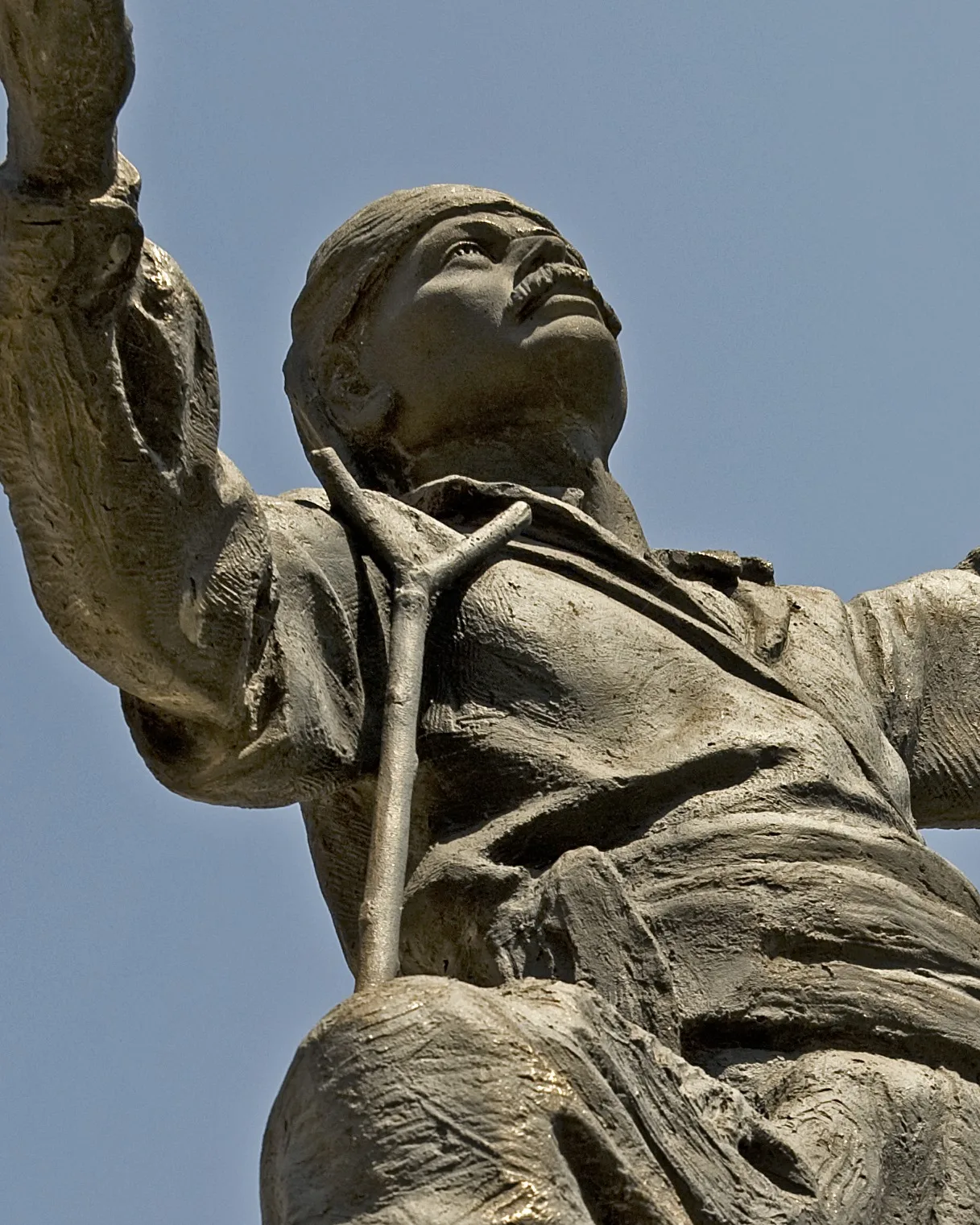
In legend, a poor farmer once carried wild fruit to a famous dervish lodge in a famine. He wanted wheat, not blessings, and he got his wheat. Then, on the road home, he regretted his choice, turned back and spent forty years carrying firewood for his teacher. That farmer was Yunus Emre. He became the poet who taught Anatolia to sing of love in its own language.
Yunus Emre lived about seven centuries ago, yet Turks still quote his lines in songs and in everyday speech. In 1991 UNESCO even declared an International Yunus Emre Year. So if you hear a line about loving and being loved in Turkey, it may well be his.
Who Was Yunus Emre?
Yunus Emre was a Turkish folk poet and Sufi dervish who lived from about 1240 to 1320. He was one of the first poets to write in the spoken Turkish of Anatolia. At that time, most learned writers still used Persian or Arabic. His words stay close to the speech of ordinary Anatolians, so his poems still feel direct today.
Still, little about his life is certain. Many scholars think he was born near the Sakarya River, perhaps at Sarıköy. Others, however, point to Karaman. He studied in Konya, traveled across Anatolia and, by his own account, as far as Azerbaijan and Damascus.
Yunus Emre in numbers
- c. 1240approximate year of birth
- 1307finishes his long poem Risâletü’n-Nushiyye
- 1320dies at about 82
- 1991UNESCO’s International Yunus Emre Year
A Life of Legends
The wheat and the blessing
The best-known story comes from the Bektashi tradition. In a year of famine, Yunus took wild hawthorn fruit to the lodge of Haji Bektash and asked for wheat. Three times the master offered a blessing instead, and three times Yunus insisted on wheat. After he left, he understood his mistake and returned. This time, however, Haji Bektash sent him on to the sheikh Tapduk Emre.
Forty years of firewood
At the lodge of Tapduk Emre, Yunus became the woodcutter. For forty years, in the old tale, he never brought back a single crooked or wet piece of wood. Later, after his teacher died, Tapduk’s followers gathered around Yunus himself. Even in his lifetime, stories about him spread across Anatolia.
Yunus Emre and Rumi
Yunus was about 33 when Rumi died in 1273. He attended Rumi’s gatherings. He also speaks of him with deep respect. He had also read Rumi’s Masnavi, and he once turned a poem by the Persian poet Saadi into Turkish verse.
Poems of Divine Love
His poems speak mainly of divine love and human fate. He wrote a Divan of short poems and, in 1307–1308, a long poem of advice, the Risâletü’n-Nushiyye. Later Sufi poets followed his style, among them Eşrefoğlu Rumi and Aziz Mahmud Hüdayi.
His verses also live on in music. For example, the band Mazhar ve Fuat set his lines to a folk-rock song, and a Turkish television series later told his life.
Where Is Yunus Emre Buried?
At least seven places claim his grave. The oldest sources place it at Sarıköy in Eskişehir province, where the Porsuk stream meets the Sakarya River. In 1946, workers building the Ankara–Eskişehir railway opened that grave and moved the remains. Crowds then carried the coffin to its new tomb. Today its gate also bears his words “let us love and be loved”.
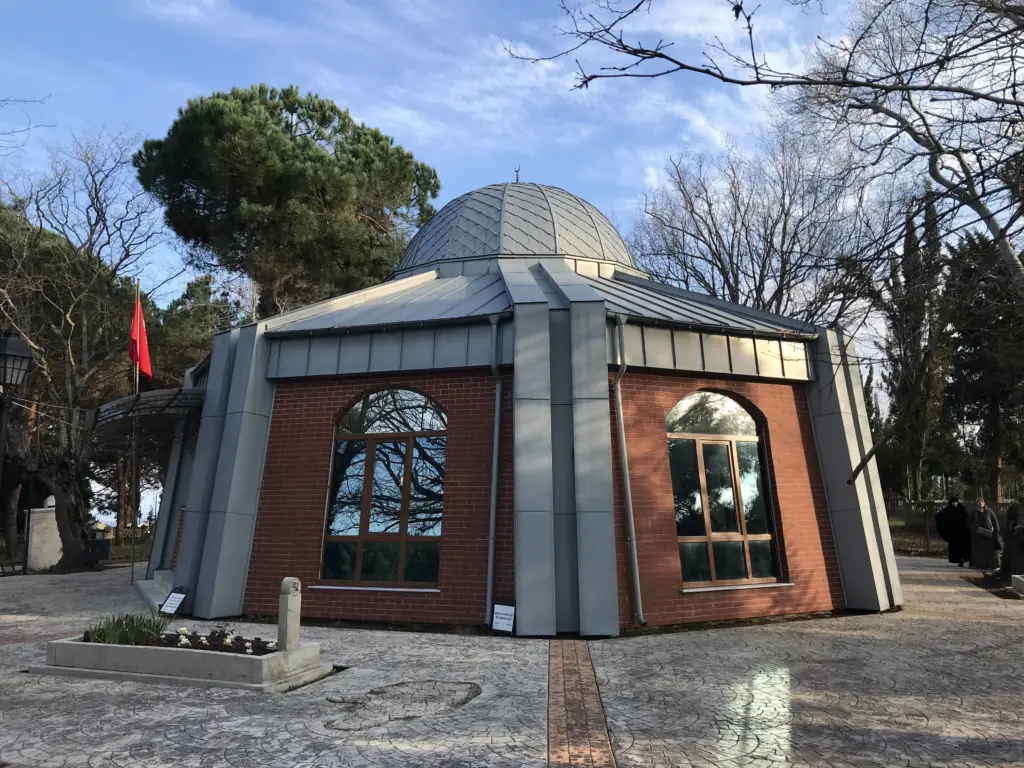
Other shrines in his name stand in Karaman, where Evliya Çelebi placed his grave. More stand in Bursa, Ünye, Isparta and elsewhere. People built them out of love for the poet. So most scholars treat them as places of remembrance, not graves.
Following Yunus Emre in Turkey
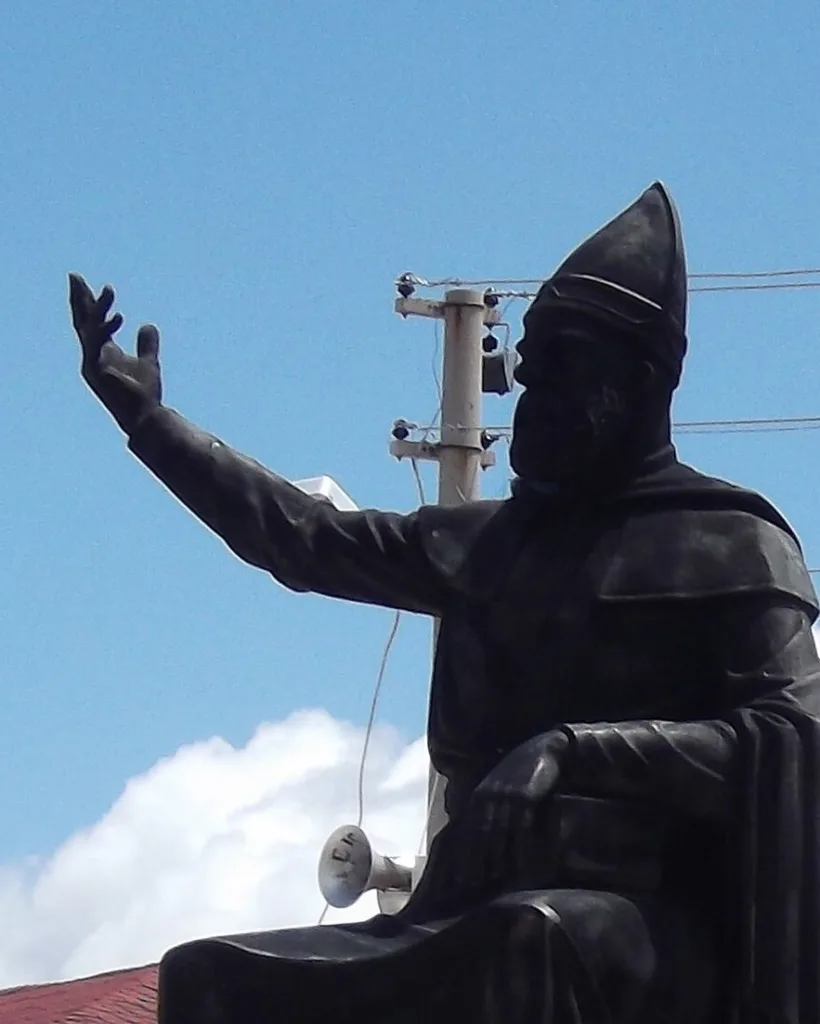
- Eskişehir: see his statue in the city, then visit his tomb at Sarıköy in the Mihalıççık district.
- Konya: walk in Rumi’s city, where Yunus studied and listened to Rumi.
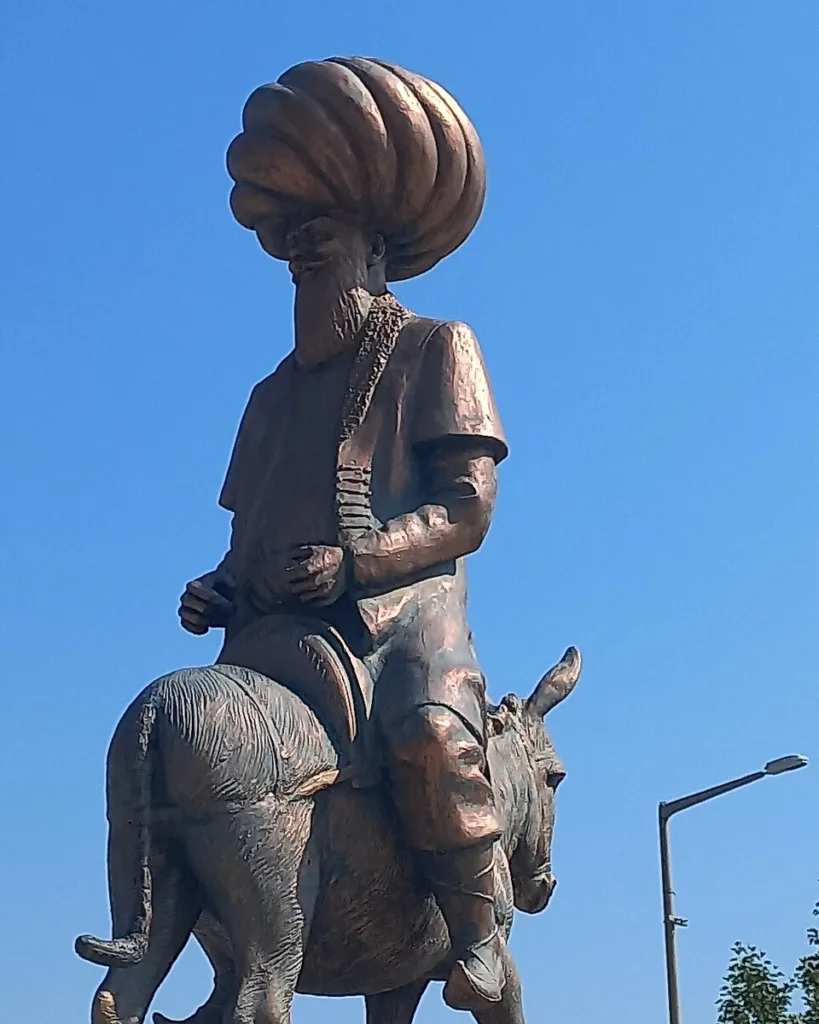
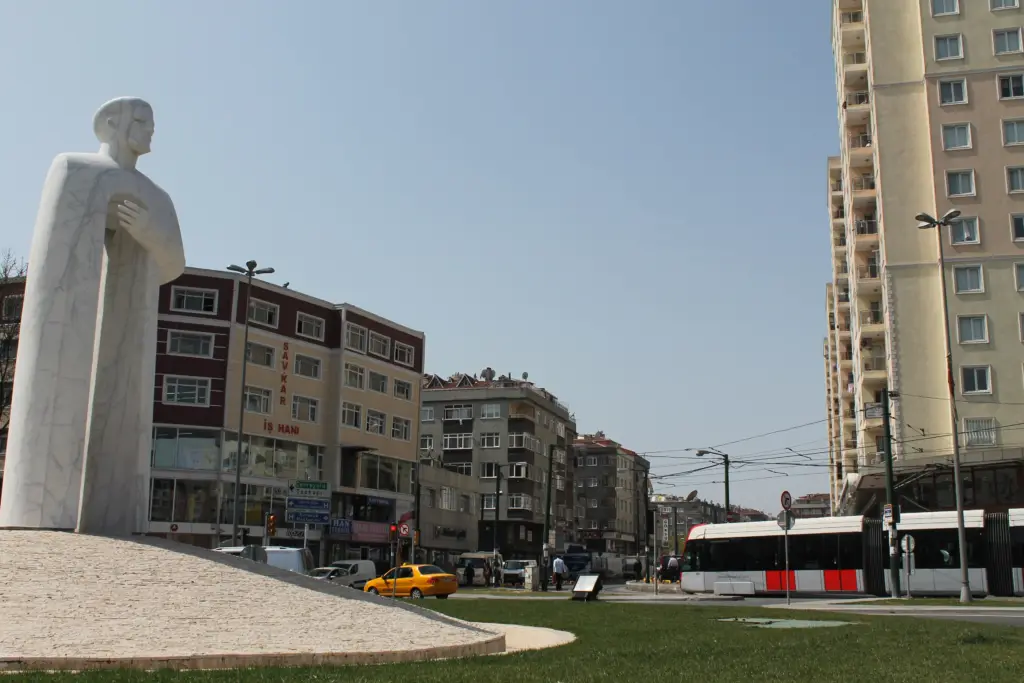
- Istanbul: find his statue on a square in Zeytinburnu.
For more of Central Anatolia, see our Central Anatolia region.
Centuries later, the poet Nâzım Hikmet also wrote in the language of ordinary Turks. And the folk humor of Nasreddin Hodja, from the same Seljuk Anatolia, still lives in everyday Turkish.
His traces today
- Several gravesMany towns in Anatolia claim his tomb. People visit them all with the same love.
- Sung poemsHis verses are still sung as ilahi, Sufi hymns, and heard in mosques and on the radio.
- Simple TurkishHe wrote in plain Turkish. Even Turkish children can read his lines today.
Our suggestion In spring, come to Eskişehir for the Yunus Emre culture days, when his poems are sung in the town that claims his grave.