Photo: Kpisimon / Wikimedia Commons, CC BY-SA 3.0
Birecik Bald Ibis Colony
One of the rarest birds on earth, nesting on a cliff above the Euphrates.
Overview
On a cliff above the Euphrates, dozens of black birds with bare red faces and crests like old men’s hair sit in wooden nest boxes. They are northern bald ibises, among the rarest birds on earth, and the small town of Birecik has watched over them for centuries. For birdwatchers, the Birecik bald ibis colony is a pilgrimage in itself, on the road between Gaziantep and Şanlıurfa.
- Good for
- Birdwatching, wildlife photography, the Euphrates
- Best combined with
- Zeugma Mosaic Museum, Halfeti, Göbeklitepe
The Story of the Birecik Bald Ibis
The bird that guided the pilgrims
To begin with, locals call the bird kelaynak. It was one of the first birds Noah released from the Ark, a sign of fertility. People believed that the ibises flew south each year to guide pilgrims to Mecca. For this reason, nobody harmed them, and the colony survived here long after the species had vanished from Europe.
From 3,000 birds to none
Around 1930, the Birecik colony counted about 3,000 birds, with some 500 breeding pairs. Then, in the decades after the 1950s, pesticides hit the colony hard. By 1989, only three birds returned from their wintering grounds, and in 1990 just one. By 1992, the species was extinct in the wild in Turkey.

A second chance
However, Turkey had already kept birds in aviaries. Today a semi-wild colony lives at the breeding station on the edge of town. Thus, every year, keepers let the ibises out in February or March, and the birds breed in the nest boxes on the cliff. After that, they fly free around Birecik, feeding along the Euphrates and in the fields. In mid-July, however, keepers bring them back into the cages, so the birds do not migrate.
What to See Around the Birecik Bald Ibis Colony
The Birecik bald ibis breeding station
First, visit the station on the cliff by the river. From spring to early summer, you can watch the birds courting, feeding chicks and gliding over the water. Besides, look for the ibis statue in the town center, a sign of how proud Birecik is of its birds.
Birecik Castle and the Euphrates
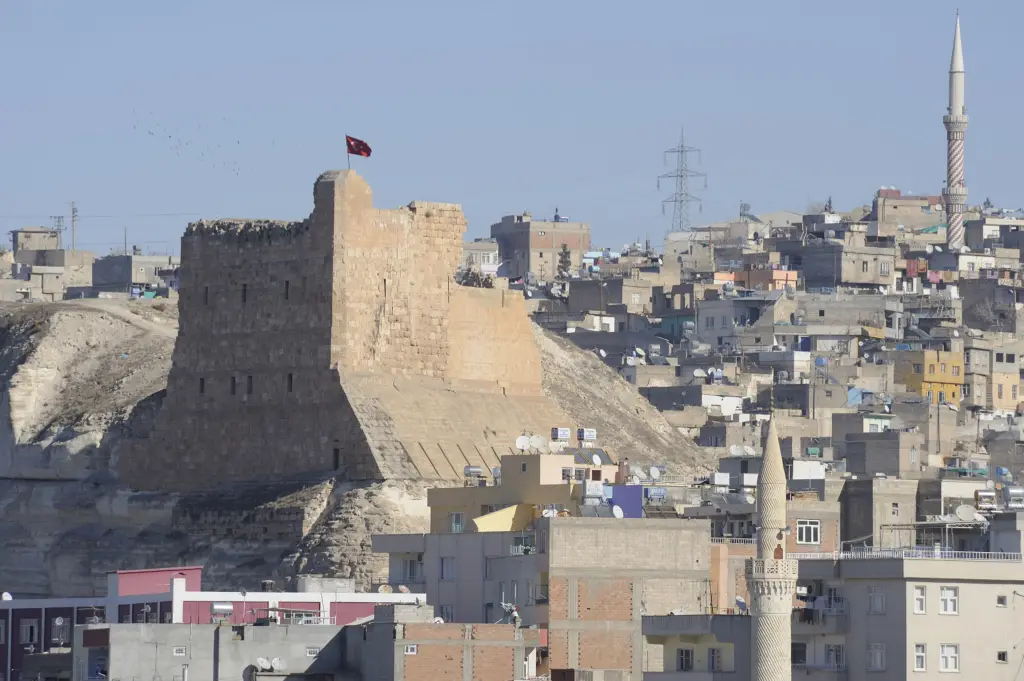
Afterward, climb to the castle on its white limestone rock above the river. Locals call it Beyaz Kale, the White Castle. From its walls you look straight down at the wide, green Euphrates. Then walk along the riverbank to the bridges that carry the road from Gaziantep to Şanlıurfa.
The Breeding Year of the Birecik Bald Ibis
Eggs and chicks
The Birecik bald ibis breeds once a year and lays one to four eggs. Then the eggs need about four weeks of incubation. At first, the chicks have feathered heads and throats, but the feathers disappear as they grow. At about five years old, the birds become adults, and they can live 25 to 30 years.
Faithful pairs
Also, males and females look alike and behave the same way. So keepers find out each bird’s sex from a blood sample in the laboratory. Besides, the birds keep one partner and stay very loyal to it. In sunlight, their black feathers flash glossy green, orange and purple.
A menu for ibises
Inside the station, the birds get a special meal every day: lean minced meat, boiled egg, grated carrot, chicken feed and unsalted cheese. In 2018, the station completed a treatment and care center and an ibis information center. Finally, watch the colony in the nesting season with a guide on our Birecik bald ibis tour.
Our notes for Birecik
- Local nameKelaynak, the “bald-headed” bird.
- SeasonThe birds are free outside the cages from about February.
- FestivalKelaynak Yortusu, a mid-February festival for the birds’ return, was revived in the 1950s.
- NearbyHalfeti and its sunken village lie upriver.
Our suggestion Come between March and June, early in the morning, when the ibises are busiest at the nest boxes. Bring binoculars and a long lens.

How to Visit the Birecik Bald Ibis Station
Birecik lies on the main road between Gaziantep and Şanlıurfa, so it fits easily into a trip through the southeast: combine it with the mosaics of the Zeugma Mosaic Museum, the sunken village of Halfeti upriver, and Göbeklitepe beyond Şanlıurfa. Likewise, for more places to watch birds, read our guide to birdwatching in Turkey.

Because few places on earth let you watch a bird this rare at its nest. Come on a spring morning, when the ibises glide over the Euphrates.
Map
Open in Google Maps (opens in a new tab) Open in Apple Maps (opens in a new tab)
Frequently asked questions
Where can I see bald ibises in Turkey?
At the semi-wild colony of the breeding station in Birecik, on the Euphrates in Şanlıurfa Province.
When is the best time to visit?
From spring to early summer, when the birds breed in the nest boxes on the cliff.
Are the Birecik ibises wild?
No longer fully. The wild Turkish colony died out by 1992; today a semi-wild flock flies free in the breeding season and returns to the cages in mid-July.
What do locals call the bird?
Kelaynak, the "bald-headed" bird, because its head has no feathers.