
Photo: Bernard Gagnon / Wikimedia Commons, CC BY-SA 3.0
İnce Minareli Madrasa
A portal of twisting Quranic script, a tiled dome and a minaret that lightning cut short in 1901.
Overview
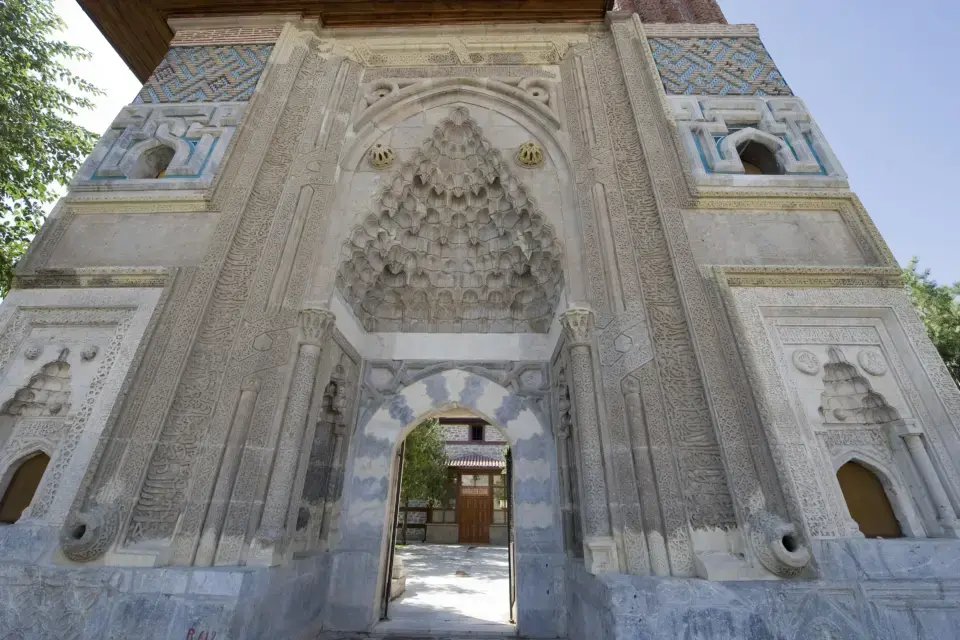
Near the citadel hill of Konya, a stone portal rises like a carved page of calligraphy, with two bands of Quranic script that twist around each other above the door. Beside it, however, stands a short minaret of brick and turquoise tile. Once, though, it was much taller. So this is the Ince Minareli Madrasa (İnce Minareli Medrese (a school of Islamic learning) in Turkish), the School of the Slender Minaret, built in 1265 and now Konya’s Museum of Stone and Wood Art. For eight days on this theme, see our art and architecture tour of Turkey.
- Good for
- Seljuk stone carving, calligraphy, museums
- Best combined with
- Karatay Madrasa, Mevlana Museum, Konya
The Story of the Ince Minareli Madrasa
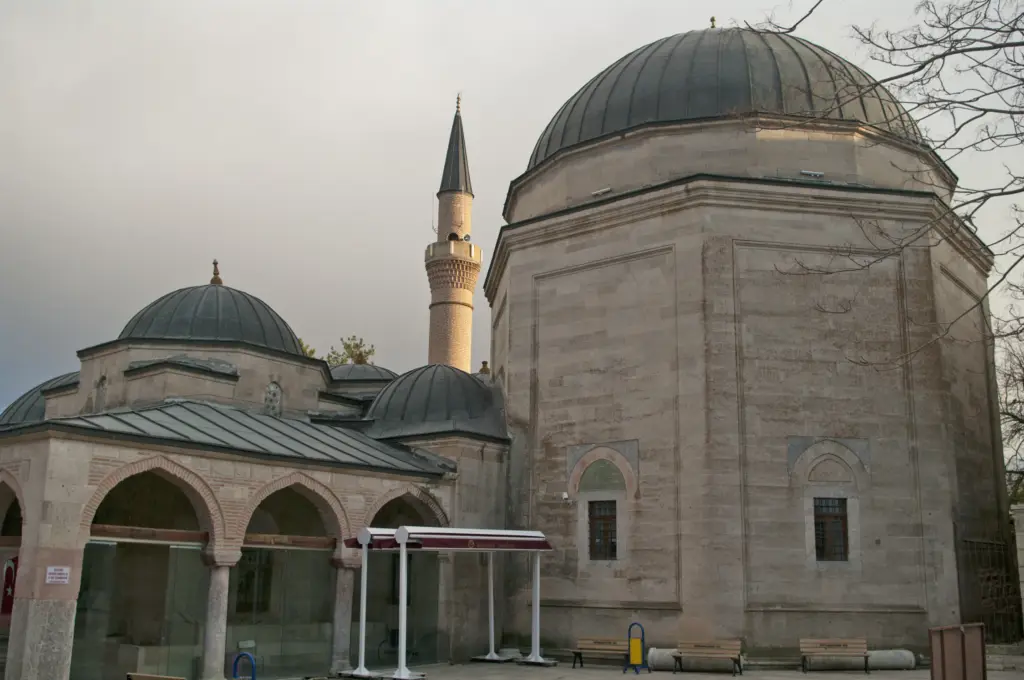
To begin with, the Seljuk vizier Sahib Ata Fakhr al-Din Ali commissioned the madrasa in 1265. In the decades after Konya was recaptured from the Mongols, he became one of the two great builders of the city, and when he died in 1288, he was buried in his own Sahip Ata Complex in Konya.
Kölük, son of Abdullah
On the facade, two rosettes beside the portal name the architect: Kölük bin Abdullah. Interestingly, his name also appears at the nearby Sahip Ata Complex, another work for the same vizier, who later founded the Gök Medrese in Sivas.
The minaret struck by lightning
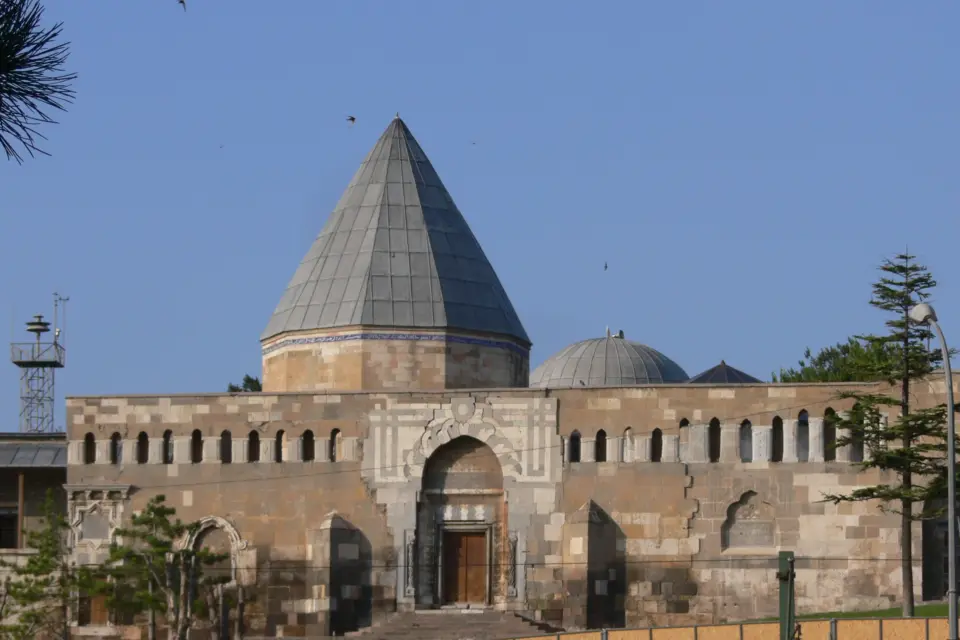
Fittingly, the building takes its name from its slender minaret, which once rose high above the town. In 1884, the American photographer John Henry Haynes captured it at full height from the citadel. Then, in 1901, lightning struck the minaret, and most of it collapsed. Today, only the lower part survives.
What to See at the Ince Minareli Madrasa
The portal of calligraphy
First, stand before the portal. Instead of the usual muqarnas hood, it carries great bands of thuluth calligraphy, quoting Sura 36 and Sura 110, which rise, separate and knot together above the doorway. Around them, similarly, carved knots, branches and leaves fill every surface.

The tiled dome
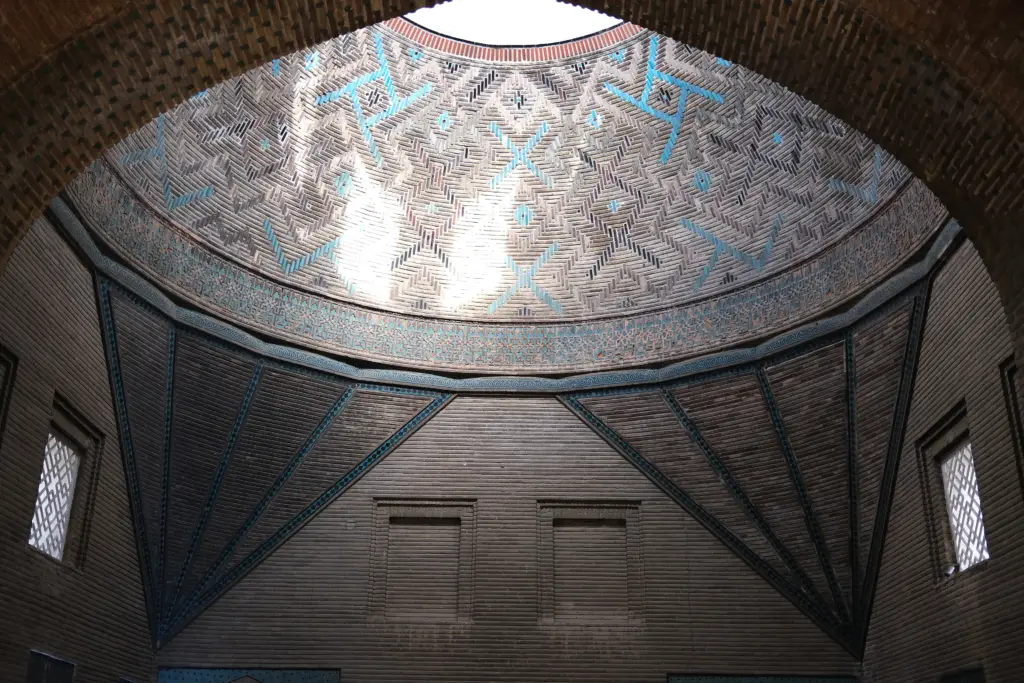
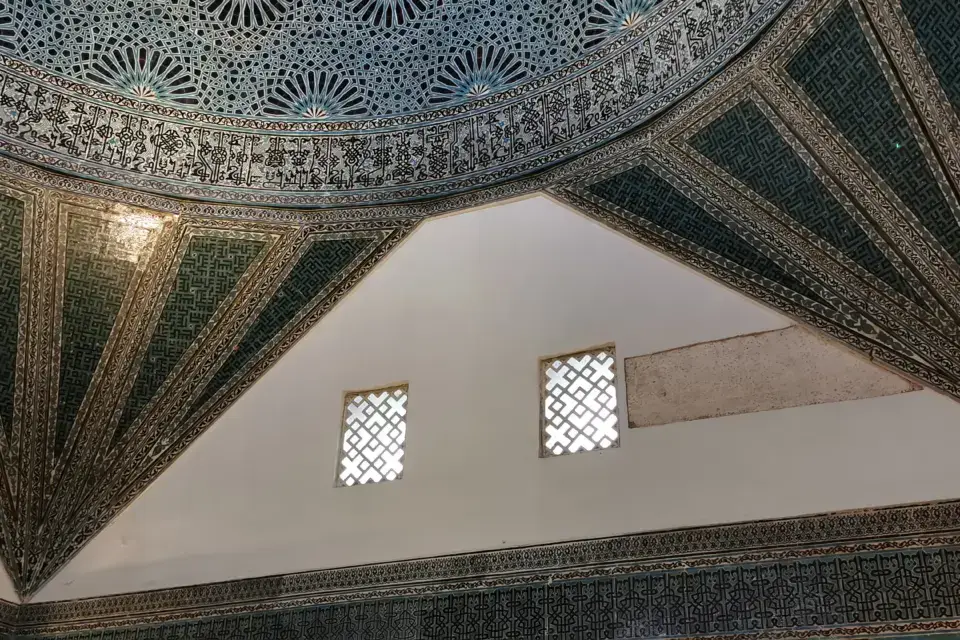
Next, step into the central hall. Above you, in turn, a dome with a lantern rests on four brick pendentives, and its inner surface is covered with turquoise and black tiles in geometric patterns.
The Museum of Stone and Wood Art
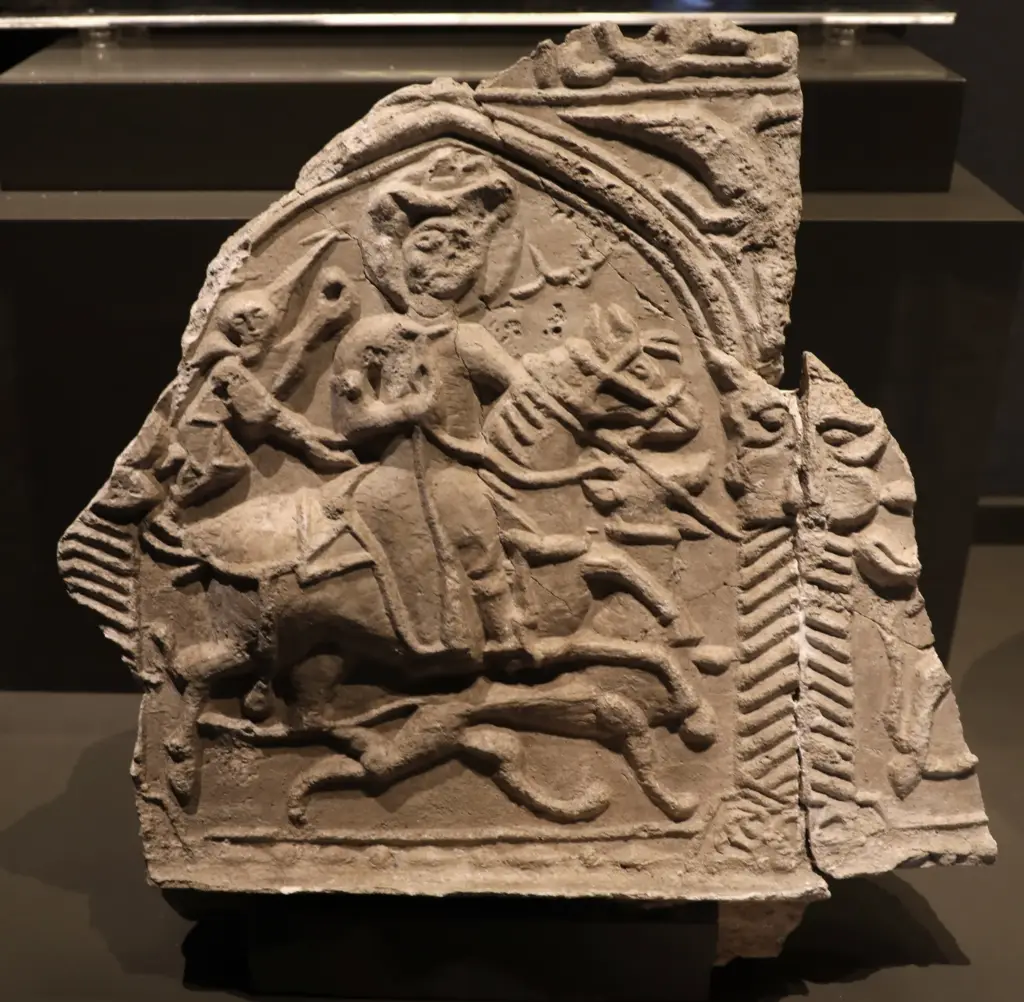
Finally, explore the collection. Today, also, the rooms display Seljuk carving in stone and wood. Look especially for the reliefs of figures and animals, such as a 13th-century hunter on horseback.
Tips for visiting the Ince Minareli Madrasa
Our notes for Ince Minareli
- PortalFollow the two bands of script with your eyes.
- MinaretLightning cut it short in 1901.
- MuseumSeljuk carving in stone and wood.
Our suggestion Visit it together with the Karatay Madrasa, its sister museum of tiles.
How to Visit the Ince Minareli Madrasa
The museum stands near the citadel hill in central Konya. We arrange your entry to the madrasa on a Konya day.
Then climb Alaeddin Hill to the Alaeddin Mosque, the burial place of the Seljuk sultans, and continue to the tiles of the Karatay Madrasa and the Mevlana Museum, the shrine of Rumi.

Because its portal is a page of stone. Follow two bands of calligraphy as they knot above the door, then look at an old photo of the slender minaret before the storm of 1901.
Map
Open in Google Maps (opens in a new tab) Open in Apple Maps (opens in a new tab)
Frequently asked questions
What does İnce Minareli mean?
With the slender minaret. The madrasa takes its name from a tall minaret that lightning brought down in 1901.
Who built the İnce Minareli Madrasa?
The Seljuk vizier Sahib Ata Fakhr al-Din Ali commissioned it in 1265, and the architect was Kölük bin Abdullah.
What is inside today?
Konya's Museum of Stone and Wood Art, with Seljuk carving such as reliefs of figures and animals.
What is special about the portal?
Instead of a muqarnas hood, it carries great bands of Quranic calligraphy that twist and knot above the door.
You may also like
-
 Journey
Turkey Architecture Tour in 8 Days: Sinan, Seljuk Stone and Wooden Mosques
-
 Tour
Konya Mevlana Tour: Rumi’s Green Dome, Seljuk Tiles and the Village of Sille
-
 Place
Sahip Ata Complex
-
 Place
Alaeddin Mosque
-
 Place
Karatay Madrasa
-
 Place
Mevlana Museum
-
 Article
Konya or Ankara: Which Central Anatolia City to Visit
-
 Place
Sille