Photo: Dursunbal / Wikimedia Commons, CC BY-SA 4.0
Kilistra
Rock-cut churches near Konya, on the road where Saint Paul came to Lystra.
Overview
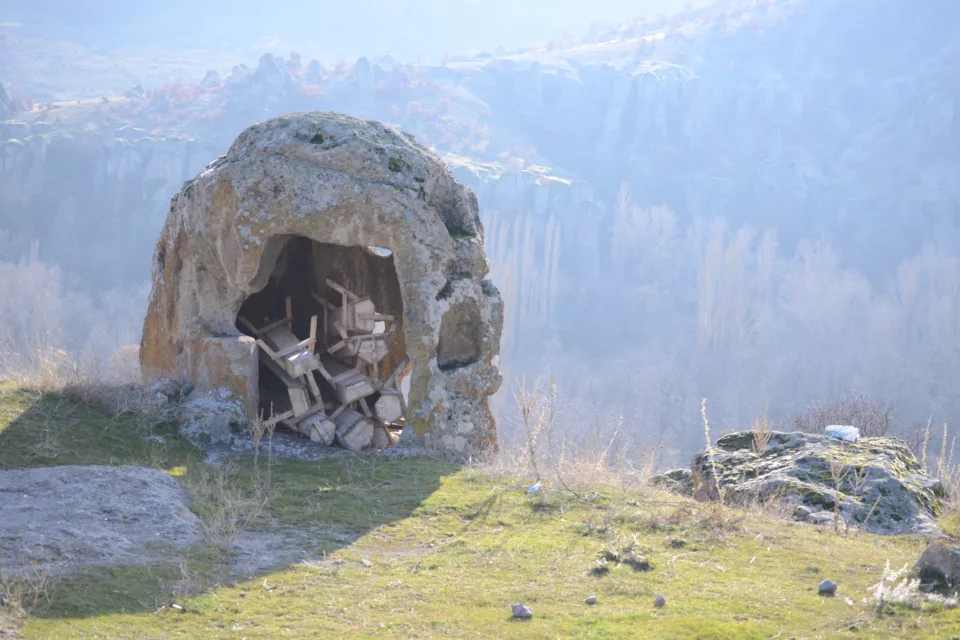
About 50 kilometers (31 miles) southwest of Konya, the steppe breaks into low hills of soft volcanic rock, and the hills are full of doors. Behind them lie churches, cisterns and homes cut by hand, much like a small Cappadocia. So this is Kilistra, the rock settlement that keeps the name of ancient Lystra, where Saint Paul preached and met his young companion Timothy. With a guide, join our Kilistra tour.
- Good for
- Early Christian sites, rock architecture, Bible history
- Best combined with
- Konya, Alaeddin Mosque, Mevlana Museum
The Story of Kilistra
To begin with, the settlement’s origins go back to the Late Bronze Age. It lay on the old royal road across Anatolia. In Hellenistic and Roman times, the population grew. In the Christian era, the settlement expanded quickly, and most of its churches, chapels and shelters date from that time.
Lystra and Saint Paul
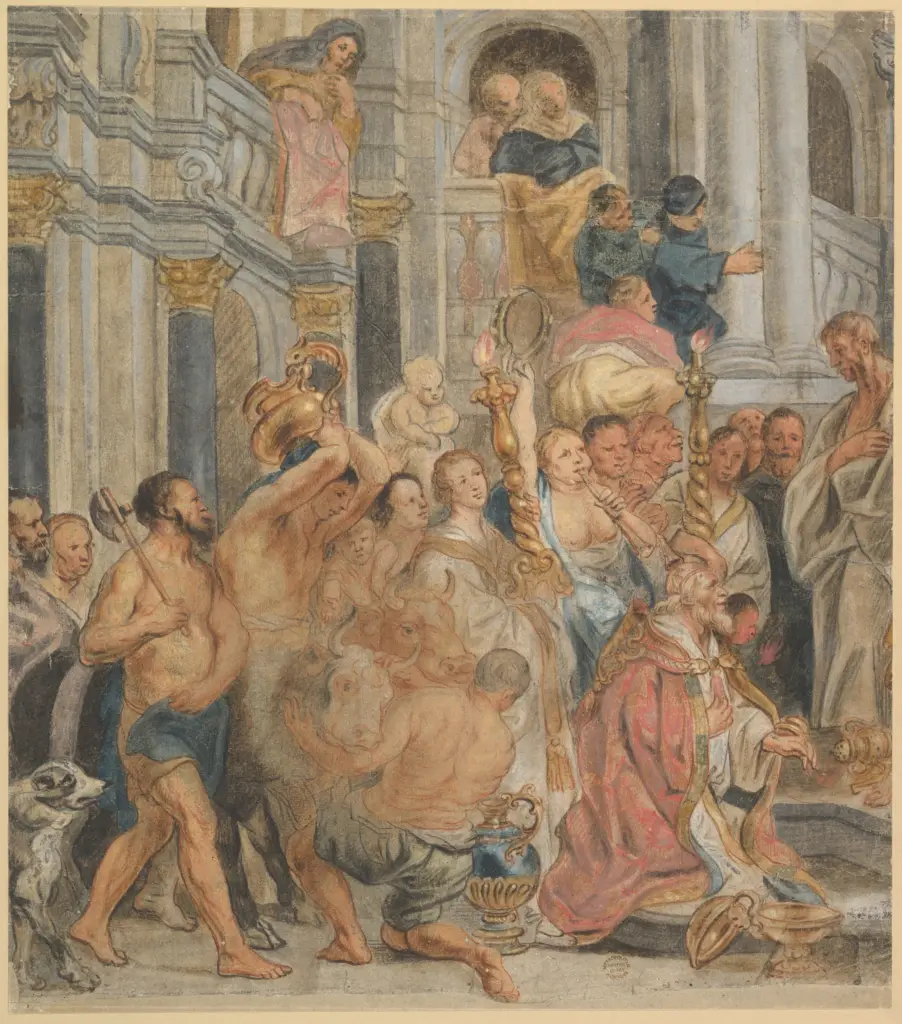
Earlier, in 6 BC, ancient Lystra had become a Roman colony. In the Book of Acts, Saint Paul comes here with Barnabas and heals a man who had been lame from birth. Amazed, therefore, the crowd took Paul for Hermes and Barnabas for Zeus and wanted to offer sacrifices to them. Soon after, however, Paul was stoned and left for dead, yet he stood up and walked back into the town.

Later, on another visit, Paul met Timothy, a young disciple from Lystra, who became his companion. At Lystra, Paul spoke to pagans directly, without starting from a synagogue.
Lystra or Kilistra?
Strictly speaking, the site of ancient Lystra itself is thought to lie near the village of Hatunsaray, where a small museum shows finds from it. The rock-cut settlement near the village of Gökyurt, about 15 kilometers (9 miles) further on, by contrast, carries the old name.
What to See in Kilistra
Rock-cut churches and chapels
First, look for the churches carved into the rock, including one with a large cross on its wall. Nearby, for example, you can find a chapel cut in the shape of a cross, used as a tomb, as well as a monastery, a great cistern, watchtowers and old roads.

The hill of Alusumas
Next, climb the hill that locals call Alusumas. At the top, likewise, the ruins of another church survive. The settlers built here to hide from their enemies.
The bishop’s church and the blue beads
Recently, at Lystra itself near Hatunsaray, excavations led by İlker Mete Mimiroğlu of Necmettin Erbakan University uncovered a large episcopal church of the 6th century, decorated with gilded mosaics. Most likely, a fire destroyed it in the 8th century. In a small chapel built on the same site, Seljuk coins show that Christians still lived here under Seljuk rule. Among the graves, two infant burials even held turquoise evil eye beads, a Turkish belief that the local Christians had adopted.
Tips for visiting Kilistra
Our notes for Kilistra
- PaulVisited Lystra twice, in Acts 14 and 16.
- ChurchA 6th-century church with gilded mosaics.
- BeadsEvil eye beads in two infant graves.
Our suggestion Look at the village houses too: some have ancient carved stones built into their walls.
The Road to Gökyurt
From Konya, drive 34 km (21 miles) to Hatunsaray, the site of ancient Lystra. Then go 15 km (9 miles) more to the village of Gökyurt. So the whole trip covers about 50 km (31 miles) each way. At the site, look at how the settlers worked: they hollowed outcrops that look like natural rock into wide rooms.
Also, people lived here through the Hellenistic and Roman periods, long before most of the churches were cut. Today, Kilistra is an important stop for Christian pilgrims who follow the journeys of Saint Paul.
How to Visit Kilistra
In practical terms, the site lies in the Meram district of Konya Province, south of the city.
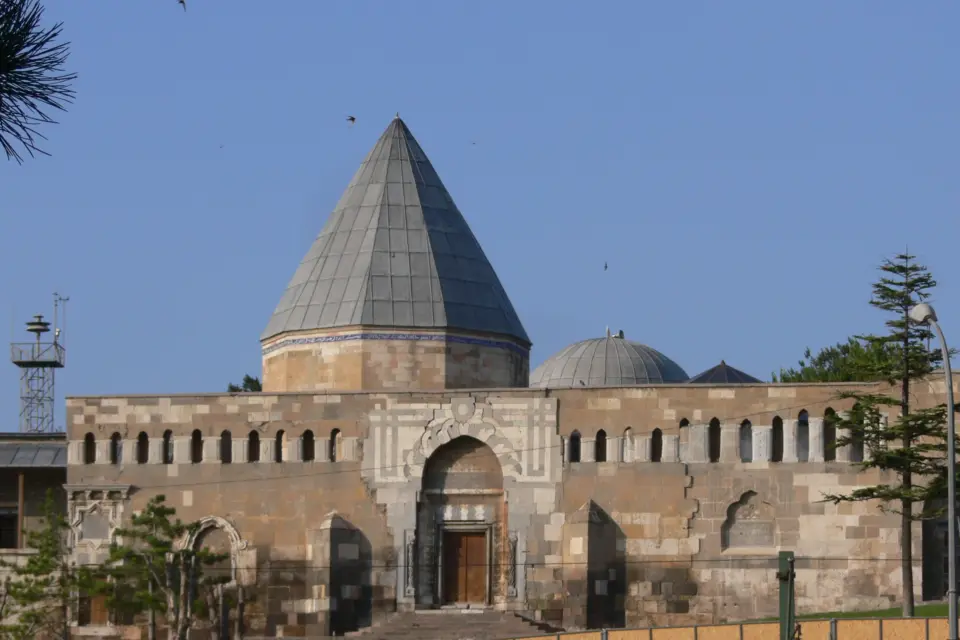
Afterward, return to Konya, the Iconium of the Bible, for the Alaeddin Mosque and the Mevlana Museum. For the whole journey of the apostle, read about the St Paul Trail and his home town of Tarsus.
Because it is a small Cappadocia on the road of Saint Paul. Walk among rock churches near ancient Lystra, where Christians still lived under the Seljuks and buried their babies with evil eye beads.
Map
Open in Google Maps (opens in a new tab) Open in Apple Maps (opens in a new tab)
Frequently asked questions
Where is Kilistra?
In the Meram district of Konya Province, about 50 km (31 miles) southwest of Konya by road.
Is Kilistra the same as Lystra?
Kilistra keeps the ancient name, but the site of Lystra itself is thought to lie near Hatunsaray, a few kilometers away.
What happened to Saint Paul at Lystra?
In the Book of Acts, he heals a lame man, is taken for Hermes, is later stoned and left for dead, and on another visit meets Timothy.
What did the excavations find?
At Lystra near Hatunsaray: a 6th-century episcopal church with gilded mosaics, a later chapel with Seljuk coins, and Christian graves.
How do I get to Kilistra?
Drive the 34 km (21 miles) from Konya to Hatunsaray, then 15 km (9 miles) on the road to Gökyurt.