
Photo: bnhsu / Wikimedia Commons, CC BY-SA 2.0
Ayran: Turkey’s Salty Yogurt Drink
Ayran, the cold salty yogurt drink of Turkey: what is in it, a thousand years of history, foamy Susurluk ayran, churned yayık ayranı and how to drink it with kebabs.
Order a kebab or a lahmacun anywhere in Turkey, and the waiter will probably ask, “Ayran?” A moment later, a cold, salty yogurt drink arrives, sometimes in a copper cup under a cap of white foam. Ayran is Turkey’s everyday drink, and on a hot day it is the most refreshing thing on the table.
It is also one of the simplest: yogurt, water and a pinch of salt. Here is where it comes from, how Turks drink it and the regional versions worth a detour.
What is ayran?
Ayran is a cold, savory drink made by mixing yogurt with chilled or iced water and a little salt. In Turkey, cooks prefer full-fat sheep’s yogurt and add at most one and a half measures of water for each measure of yogurt. Some add mint, and some versions are even carbonated.
Turks drink it chilled, often with grilled meat, bread or rice, and especially in summer. So it often appears next to a plate of Turkish kebabs.

A thousand years of ayran
Turkic peoples have drunk ayran for many centuries. In the 11th century, Mahmud al-Kashgari’s dictionary of the Turkic languages already defined it as a “drink made out of milk”. The word itself comes from an Old Turkic root meaning “to separate”.
Today similar drinks exist across the region, such as doogh in Iran, tan in Armenia and lassi in South Asia.
Across the Balkans, too, people drink it, usually at breakfast or lunch with pastries such as börek. In Cyprus, cooks make it with sour sheep’s yogurt, water, salt and mint. Kefir, made from fermented milk, is also sold in Turkey, though far fewer people drink it than ayran.
The foamy one from Susurluk
In Susurluk, in Balıkesir province, a small electric motor draws the ayran from a vat and pours it quickly back in from above through a narrow pipe. As it circulates, the fat in the ayran builds a thick foam on top. Since 2017, Susurluk Ayranı has been a registered geographical indication. The story starts with a local ayran seller called Şükrü, and travelers on the Istanbul to İzmir highway often pair the drink with a Susurluk toast.

Churned and spicy versions
In some eastern parts of Turkey, cooks churn the yogurt in a yayık, a churn, to make yayık ayranı, which is very frothy. In Malatya, at the same time, a spicy ayran with purslane received its own geographical indication in 2022. For a day of kebab in the south, see our Adana city and food tour.
How to drink it like a local
- Order it with grilled food, such as kebabs, lahmacun or pide.
- Pair it with pastry: ayran goes just as well with a hot gözleme from the griddle.
- Try the foamy kind in a copper cup, and drink it before the foam settles.
- Add mint or black pepper if you like, two common additions.
Our kebab house notes
- Açık ayranWhipped in the restaurant and poured from a jug or a tap, foamier and less salty than the bottled kind.
- The highway stopSusurluk’s foamy version became famous with travelers who stopped for it on the road through town.
- Copper bowlsIn kebab houses of the southeast, it often comes frothing in a copper bowl with a ladle.
Our suggestion Order it with kebab, never with fish, and ask whether they make it açık, the fresh house-made kind, before you settle for a bottle.
Frequently asked questions
What is ayran made of?
Yogurt, chilled water and a little salt; some versions add mint or are carbonated.
What does ayran taste like?
Cold, tangy and salty, like a thin, savory yogurt.
What is Susurluk ayran?
A foamy ayran from Susurluk in Balıkesir, pumped and poured back into its vat so the fat builds a thick foam; it is a registered geographical indication.
What do you drink ayran with?
Usually with grilled meat, bread or rice, such as kebabs, lahmacun or pide.

You may also like
-
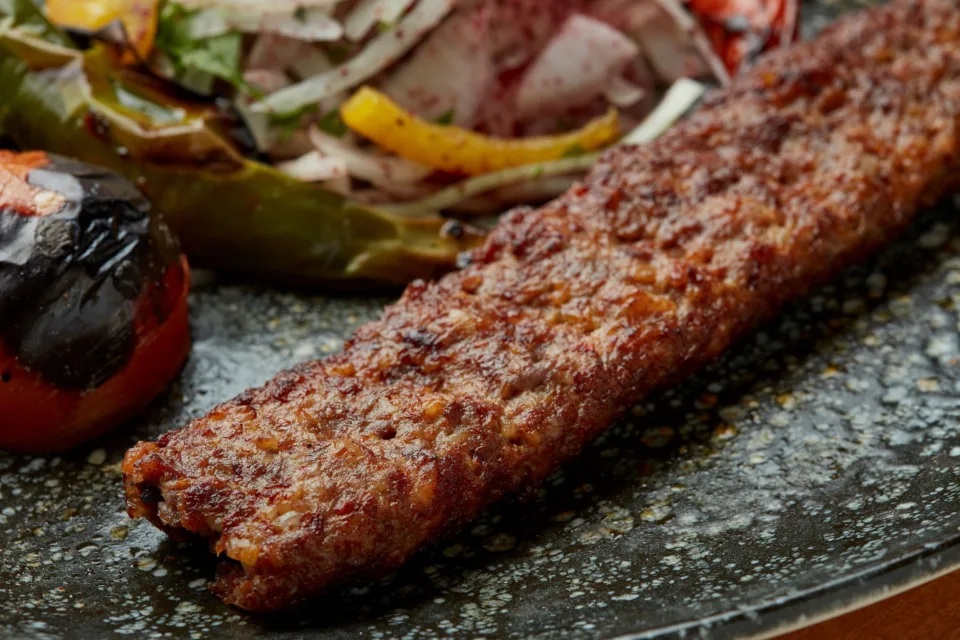 Turkish Kebabs: Döner, İskender, Adana and Cağ Explained
-
 Lahmacun and Pide: Turkey’s Favorite Flatbreads
-
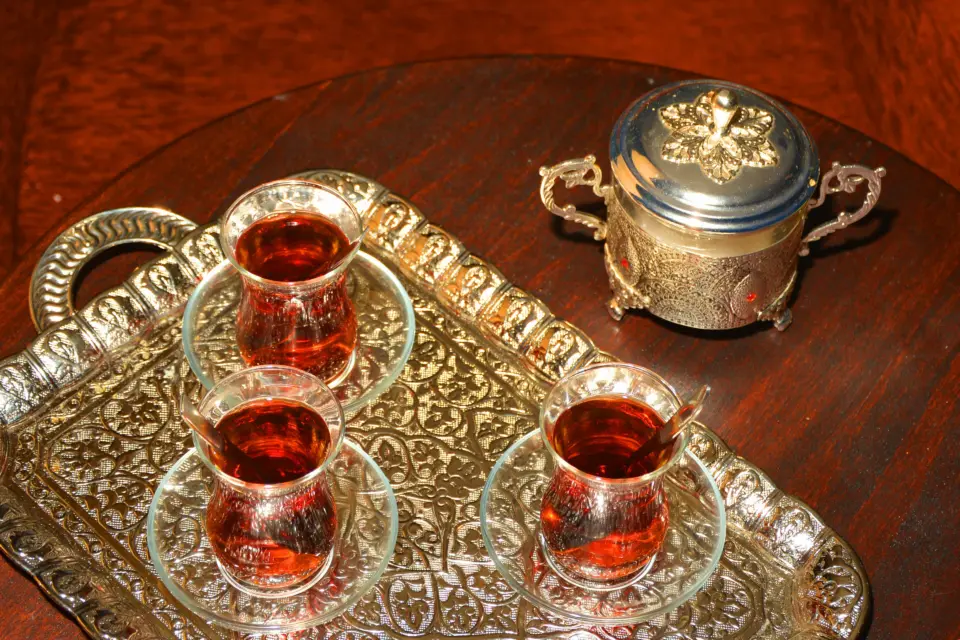 Turkish Tea: How to Drink Çay Like a Local
-
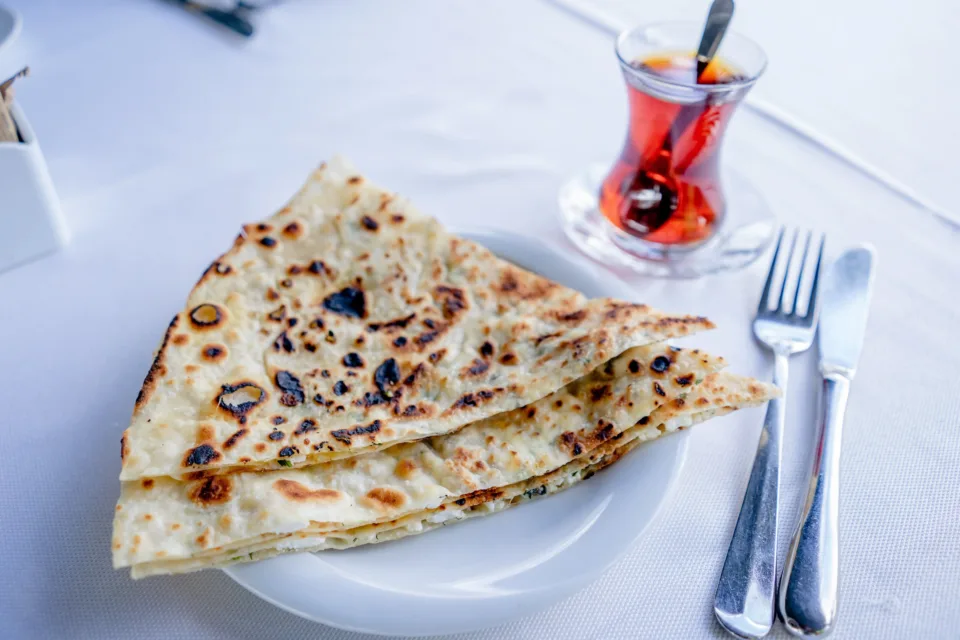 Gözleme: Turkey’s Stuffed Flatbread from the Griddle
-
 Armenians of Istanbul: Kumkapı, the Patriarchate and the Balyans
-
 Greeks of Istanbul: Fener, the Patriarchate and the Rum Community
-
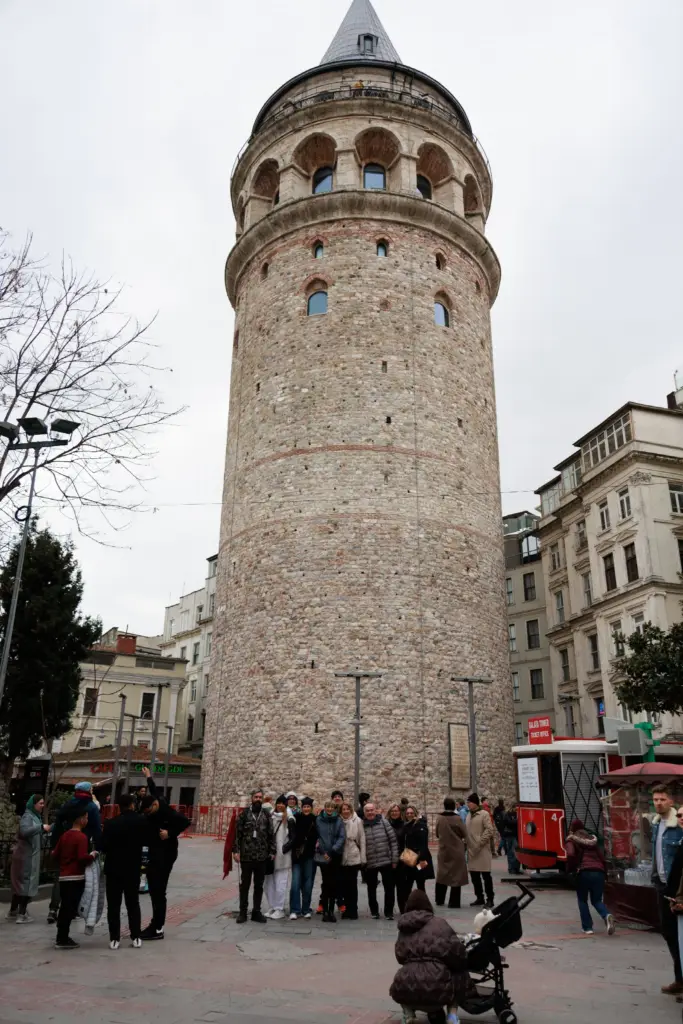 Levantines of Istanbul: The Europeans of Galata and Pera
-
 Bulgarians in Istanbul: From Byzantine Sieges to the Iron Church