
Photo: Dosseman / Wikimedia Commons, CC BY-SA 4.0
The Empire of Trebizond: Byzantium’s Last Outpost on the Black Sea
The Empire of Trebizond: the Komnenos princes who founded it in 1204 with Queen Tamar of Georgia, the Hagia Sophia of Trabzon, Sumela Monastery, the city walls and the Ottoman conquest of 1461.
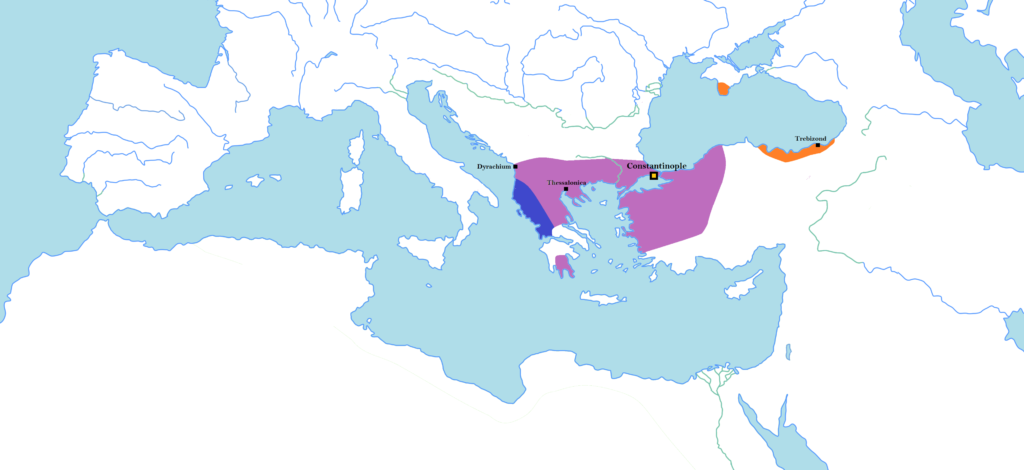
When the knights of the Fourth Crusade sacked Constantinople in 1204, a small Byzantine state rose on the far shore of the Black Sea. For more than 250 years, the Empire of Trebizond ruled the green coast and mountains of today’s Trabzon, Giresun and Rize, outliving Byzantium itself by eight years. Its emperors built churches with some of the finest late Byzantine frescoes and filled the cliff monastery of Sumela with gifts. So, to understand the Black Sea coast of Turkey, start with this forgotten empire.
The Rise of the Empire of Trebizond
Founding the Empire of Trebizond
Alexios and David Komnenos were grandsons of the Byzantine emperor Andronikos I. After their family lost the throne, they grew up at the court of their relative, Queen Tamar of Georgia. In April 1204, with Georgian troops, they seized Trebizond and the province around it, just weeks before Constantinople fell to the crusaders. Afterward, Alexios declared himself emperor, while David pushed west along the coast as far as Sinop and Heraclea Pontica. The city’s name was far older: Greek settlers from Miletus came here in the 7th century BC, and they called it Trapezous, a name linked to the Greek word for a table and the shape of the ground.
Why is it called Trebizond?
Trebizond is the old Western form of the city’s name, beside Trapezunte and Trebizonde. Like the Turkish Trabzon, it goes back to the Greek Trapezous. So the empire’s capital and today’s Trabzon are one and the same city.
Emperors of the Empire of Trebizond
The rulers of Trebizond called themselves Megas Komnenos, the “Great Komnenos”. At first, they claimed to be the true Roman emperors. However, after Byzantium recovered Constantinople in 1261, John II of Trebizond gave up that claim in 1282 and married the daughter of the Byzantine emperor. Even so, his successors kept a grand title: “Emperor and Autocrat of the entire East, of the Iberians and the Perateia”.
What the Empire of Trebizond Left Behind
The Hagia Sophia of Trabzon
First, the emperors gave their capital a great church. Emperor Manuel I built the Hagia Sophia of Trabzon between 1238 and 1263, about two miles west of the walled town. Our Byzantine Turkey tour ends here, after Istanbul, Nicaea and Cappadocia. Inside and in its porches, frescoes of the Gospels still glow with color. Since 2013 the building has served as a mosque, so curtains cover the frescoes of the prayer hall while those of the porches stay open to view. On the south front, look for the carved creation of Adam and Eve and the single-headed eagle of the Komnenos family; the bell tower to the west dates from 1427.

Sumela Monastery
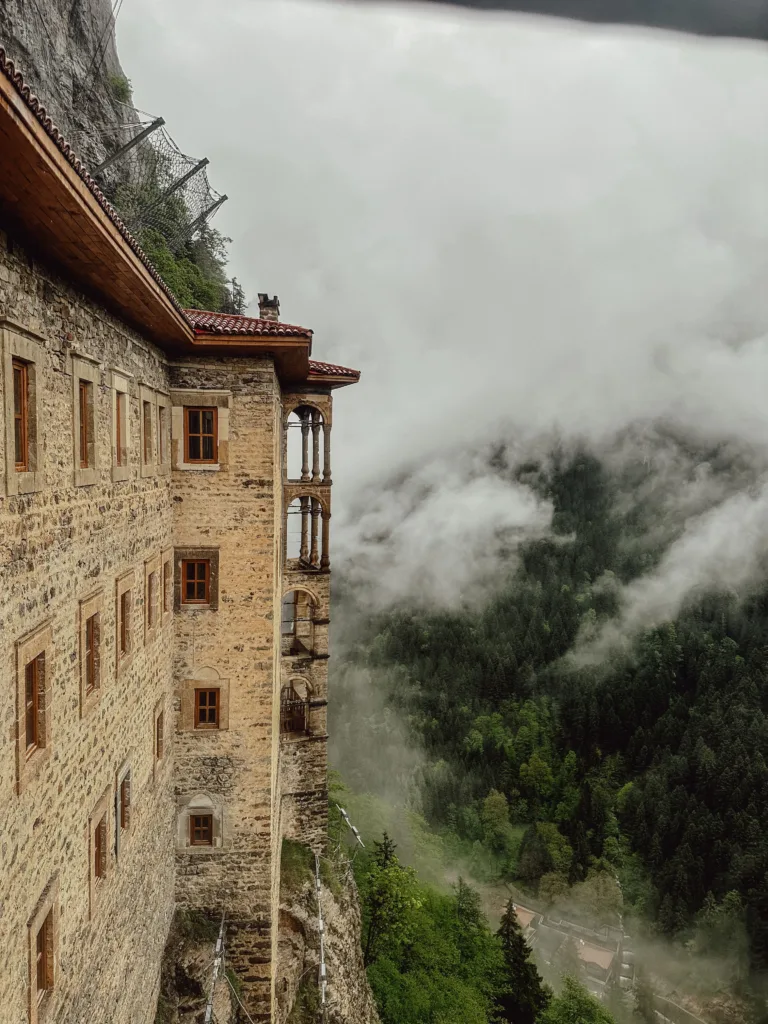
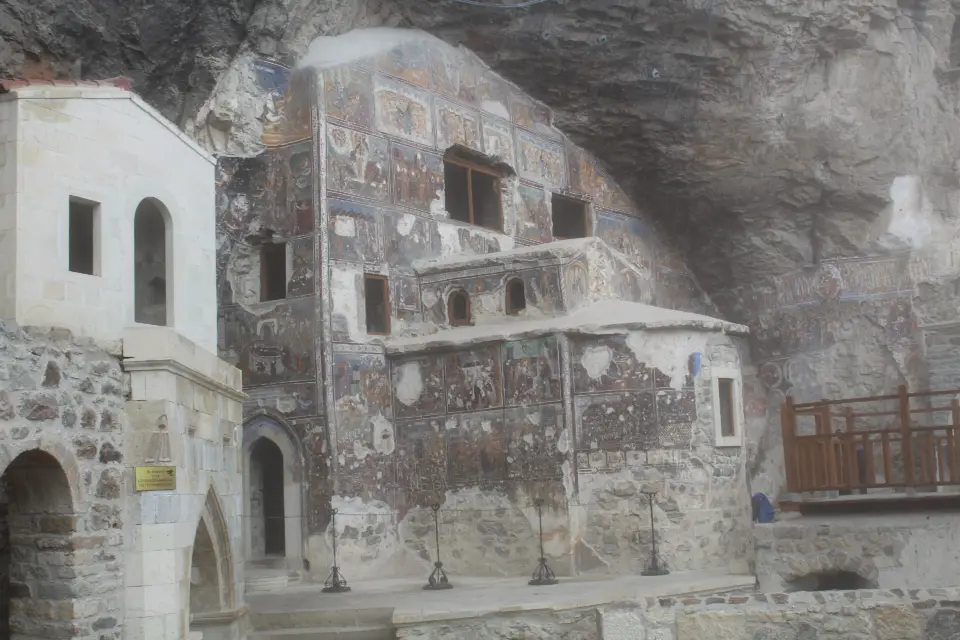
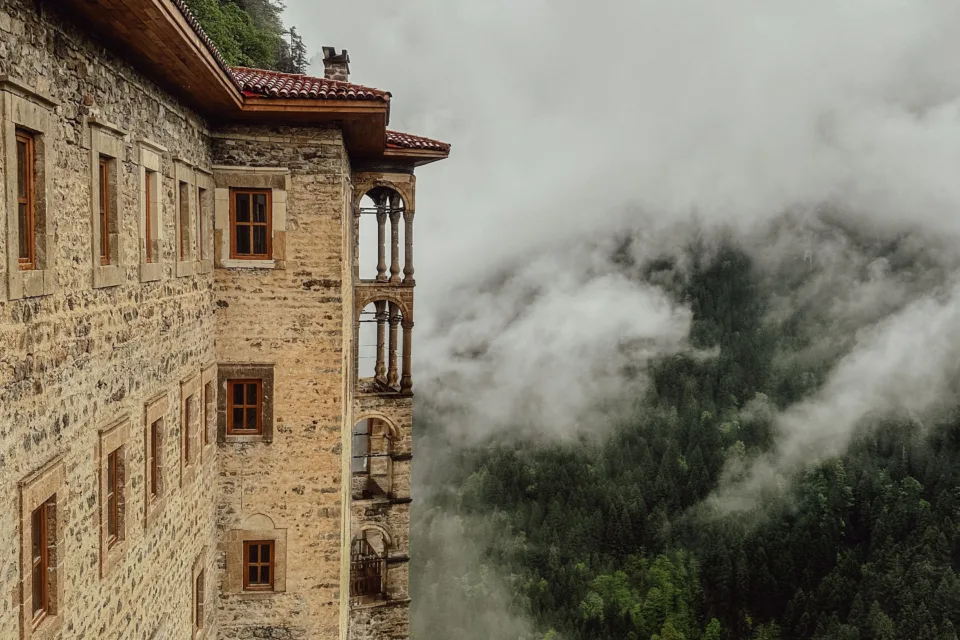
In the mountains above the coast, the emperors made the cliff monastery of Sumela rich. For example, Emperor Alexios III gave it a charter in 1365 that freed it from most taxes. Back in the city, on the south slope of Boztepe, the Kızlar Monastery, Panagia Theoskepastos, goes back to the 14th or 15th century, with a monumental tomb in its highest part, and the municipality runs it as a visitor site.
The walls of Trabzon
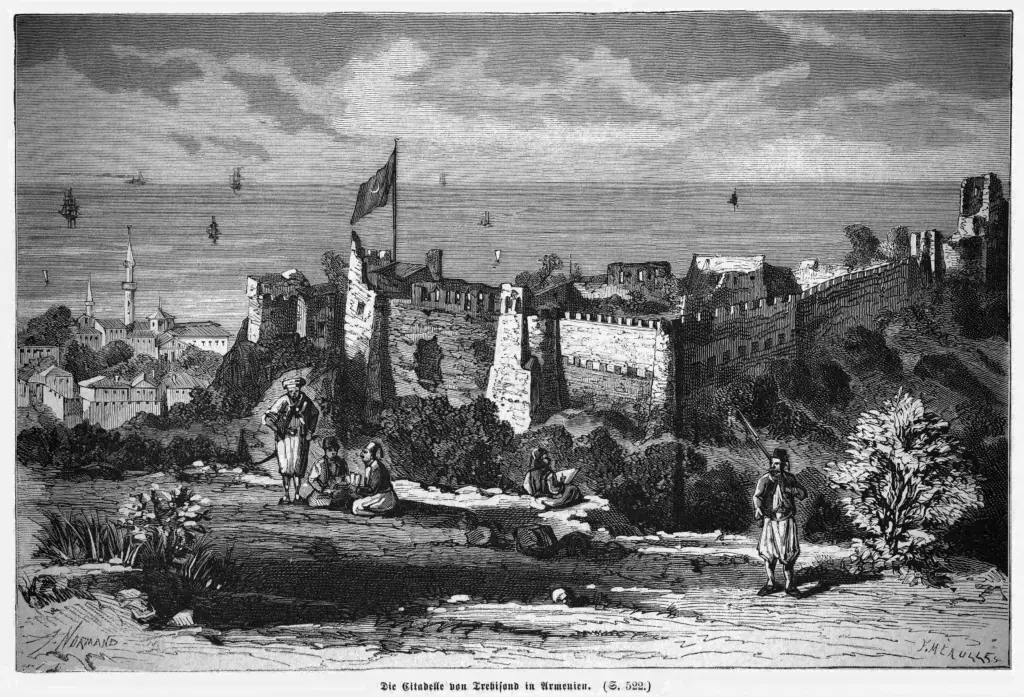
Finally, the walls of the old city still climb from the sea to the citadel, between two deep ravines. Walk along them, and you trace the outline of the imperial capital. In the center of the city, the Ortahisar Mosque was once the church of Panagia Chrysokephalos, with tombs of the dynasty in its garden. It became a mosque after the conquest of 1461.
The Fall of the Empire of Trebizond
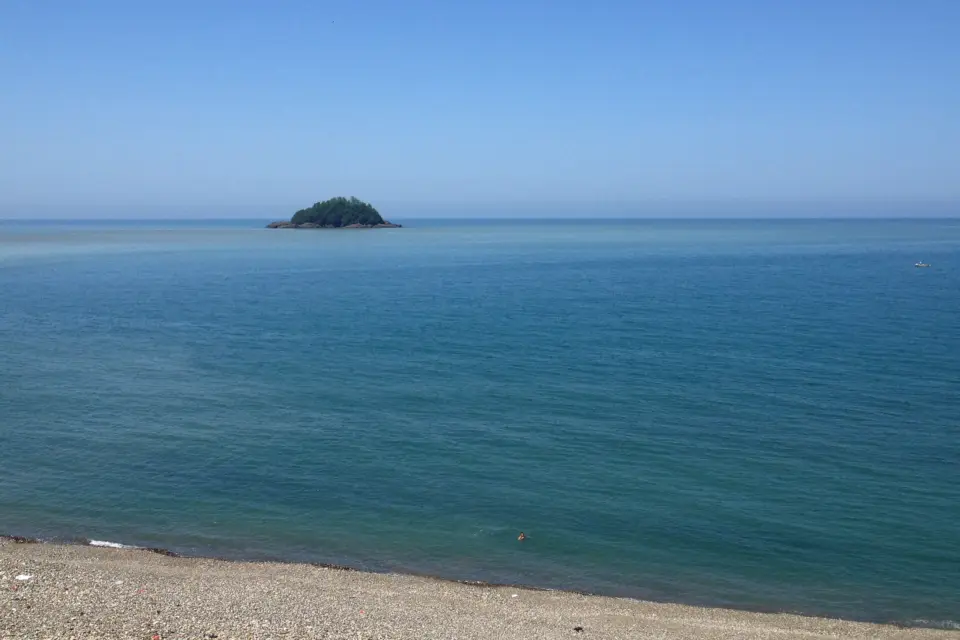
In 1461, Sultan Mehmed the Conqueror marched on Trebizond and took it after a siege of about a month, eight years after he had taken Constantinople. He sent the last emperor and his family into captivity. Even then, in the old tale, Greeks on Giresun Island held out until 1468. Under Ottoman rule, Sumela kept its rights, and Greek communities lived along this coast until the population exchange of 1923.
Following the Empire of Trebizond
- Hagia SophiaThe finest frescoes of the empire, in Trabzon.
- SumelaThe cliff monastery the emperors supported.
- WallsThe old city between two ravines.
- GiresunThe island that held out until 1468.
Our suggestion Spend a morning at the Hagia Sophia of Trabzon, then walk the old walls to the citadel. The next day, drive up to Sumela early.
Trabzon, Sumela and Uzungöl With Our Guides
We can plan your days in Trabzon with a guide who knows the Byzantine story, and combine them with the mountain lakes and villages of the Black Sea, such as Uzungöl. For the city whose fall created this empire, read about Constantine the Great, the founder of Constantinople. We plan your museums and sites in the region with the official heritage listings. Our Trabzon city tour covers the Hagia Sophia and Boztepe, and our Sumela Monastery tour adds the cliff monastery and Uzungöl.
For more of the Black Sea, our Black Sea tour in 5 days starts in Trabzon and continues to Sumela, Uzungöl, the tea hills, the Fırtına valley and Ayder. Book it as a private journey, and we plan the days around the weather in the mountains.
Frequently asked questions
What was the Empire of Trebizond?
A Byzantine successor state on the Black Sea coast, founded in 1204 and ruled by the Komnenos family from Trebizond, today's Trabzon.
When did the Empire of Trebizond fall?
In 1461, when Sultan Mehmed II took the city after a siege of about a month.
What can I see from the Empire of Trebizond today?
The Hagia Sophia of Trabzon, Sumela Monastery and the old city walls of Trabzon.
Who helped found it?
Queen Tamar of Georgia, a relative of the founders Alexios and David Komnenos.
Is Trebizond the same as Trabzon?
Yes. Trebizond is the old Western name of Trabzon, the port city on Turkey's eastern Black Sea coast, and both go back to the Greek Trapezous. From 1204 to 1461, it was the capital of the Empire of Trebizond.

You may also like
-
 Article
Is Sumela Monastery Worth It?
-
 Place
Zilkale
-
 Place
Sumela Monastery
-
 Place
Hagia Sophia of Trabzon
-
 Place
Giresun Island
-
 Article
Armenians of Istanbul: Kumkapı, the Patriarchate and the Balyans
-
 Article
Greeks of Istanbul: Fener, the Patriarchate and the Rum Community
-
 Article
Levantines of Istanbul: The Europeans of Galata and Pera