
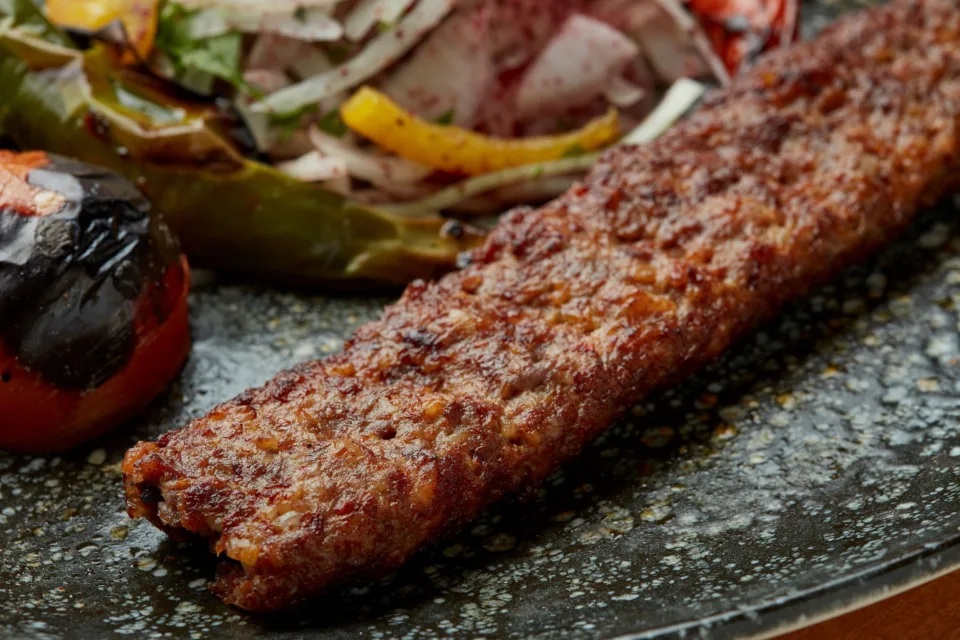
Photo: E4024 / Wikimedia Commons, CC BY-SA 4.0
Turkish Köfte: Meatballs from İnegöl to Urfa
Turkish köfte, region by region: the salt-only İnegöl köfte of Bursa, Akçaabat köfte, meatless çiğ köfte from Urfa, red lentil mercimek köftesi, sulu köfte in tomato broth and fried içli köfte.
Every Turkish town seems to have its own köfte. For example, in Bursa they are small and seasoned only with salt, in Trabzon they come from Akçaabat, in Urfa they are kneaded from bulgur and spice, and at home they float in a tomato broth with potatoes. So this is Turkish köfte, the meatballs and patties that turn up at every family gathering, street stall and lunch counter in the country.
What Is Turkish Köfte?
To begin with, köfte is the Turkish member of a huge family of meatball dishes, known as kofta from India to the Balkans. Usually, cooks mix minced meat with onion, spices and sometimes rice, bulgur or egg, then shape it into balls, patties or fingers. After that, they grill it, fry it, bake it or cook it in a sauce or soup. In Turkey köfte is a favorite offering at communal gatherings of every kind.
Regional Turkish Köfte
İnegöl köfte, Bursa
First, there is İnegöl, a town in the province of Bursa. In the late 19th century, a man named Mustafa Efendi from Pazarcık in Ottoman Bulgaria settled there and began to sell meatballs from his shop in the bazaar on the Ankara–Bursa road, and his family still runs the business. Strikingly, the only seasoning in İnegöl köfte is salt, and each one is small.

Akçaabat köfte, Trabzon
Next, on the Black Sea coast west of Trabzon, the town of Akçaabat is known for its own köfte, a registered geographical indication since 2010, along with its football team and its horon dance. In Thrace, west of Istanbul, Tekirdağ köftesi is made from the beef of young bulls raised in the province, and the mixture rests in the cold for 18 to 24 hours before it is shaped. It has been a registered geographical indication since 2020.
Çiğ köfte, Urfa
Then, in the southeast, Şanlıurfa is the home of çiğ köfte, kneaded by hand from fine bulgur and hot pepper. Traditionally, it also contained raw meat. Later, however, Turkey banned the sale of the raw-meat version for health reasons. Since then, shops and restaurants sell only meatless versions, wrapped in lettuce with lemon.

Turkish Köfte at Home
Mercimek köftesi
Surprisingly, mercimek köftesi has no meat at all. Instead, cooks make it from red lentils, fine bulgur, tomato paste, onion and parsley, pressed into shape in the palm. Usually, it is a cold dish, often served at afternoon tea and special meals, and Adana is especially fond of it.

Sulu köfte and ekşili köfte
On a cold day, by contrast, Turkish families make sulu köfte, small meatballs with rice or bulgur, boiled in a tomato and pepper broth. With an egg and lemon sauce instead, the same dish becomes ekşili köfte, sour köfte.

İçli köfte
Finally, look for içli köfte, which means köfte with a filling. Here, a shell of bulgur wraps spiced minced meat, and the whole thing is fried until crisp. As such, it is the Turkish cousin of the kibbeh of the Levant.

Tips for eating Turkish köfte
Our köfte notes
- Bursaİnegöl köfte, salt only.
- UrfaÇiğ köfte, now always meatless.
- HomeSulu köfte in tomato broth.
Our suggestion Order köfte with piyaz, a white bean salad, the classic partner at Istanbul köfte houses.

Finally, compare köfte with the many Turkish kebabs, warm up with Turkish soups, or start with our Turkish food guide. To eat your way through the city, join our Istanbul food tour.
Frequently asked questions
What is special about İnegöl köfte?
They are small and seasoned only with salt. Mustafa Efendi first sold them in İnegöl in the late 19th century.
Is çiğ köfte raw meat?
Not anymore in shops. Today, only meatless versions made with bulgur may be sold.
What is mercimek köftesi?
A cold, meatless köfte of red lentils and fine bulgur, shaped by hand and often served at afternoon tea.

You may also like
-
 Turkish Kebabs: Döner, İskender, Adana and Cağ Explained
-
 Turkish Soups: Lentils, Ezogelin, Tripe and Tarhana
-
 Turkish Food: A Traveler’s Guide to What to Eat in Turkey
-
 The 5 Best Restaurants in Trabzon, From Akçaabat Köfte to Kuymak
-
 The 5 Best Restaurants in Mardin, From Stuffed Lamb Ribs to Terrace Views