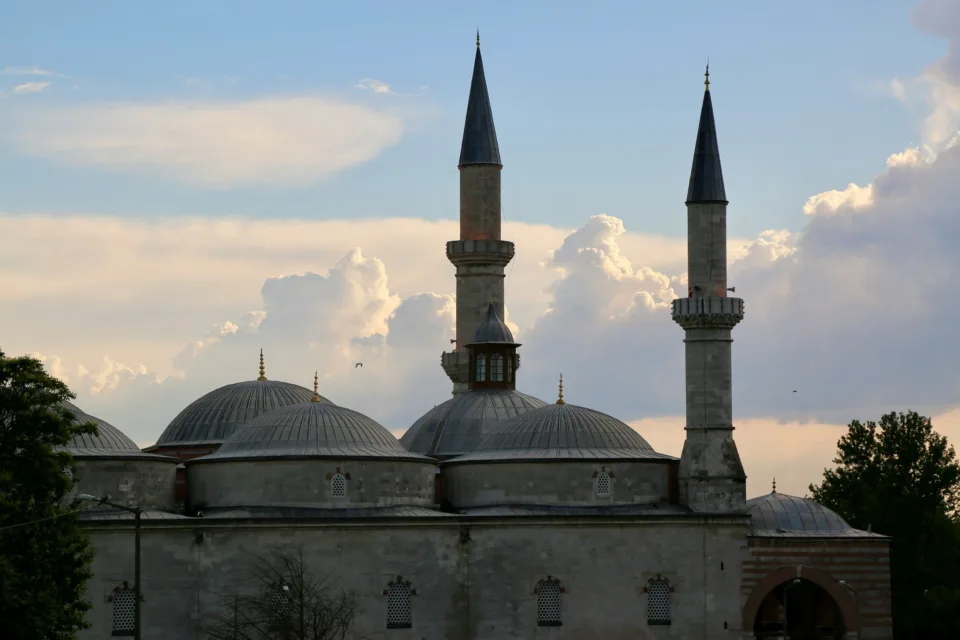
Photo: Dosseman / Wikimedia Commons, CC BY-SA 4.0
Aslanhane Mosque
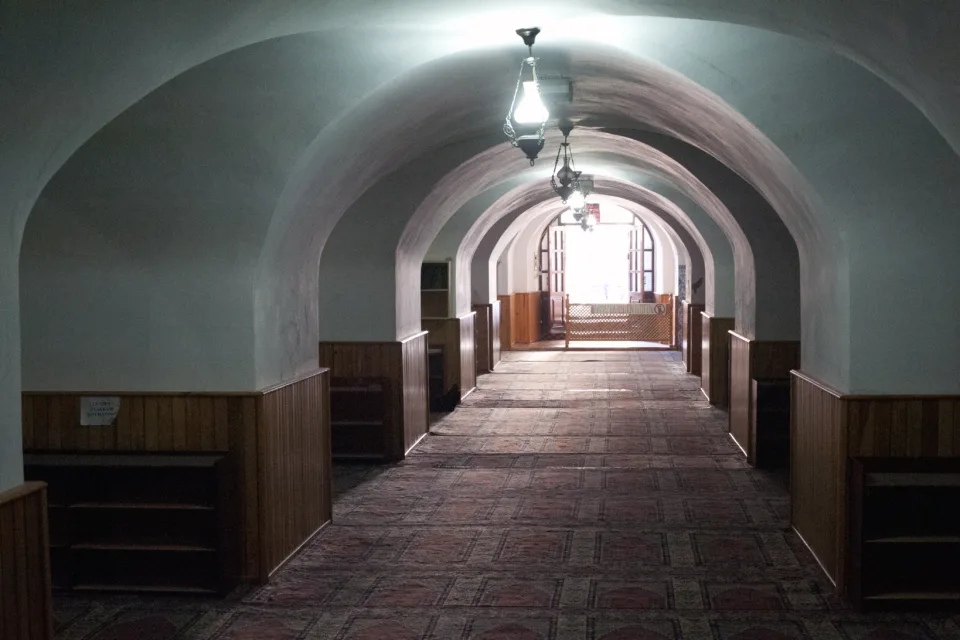
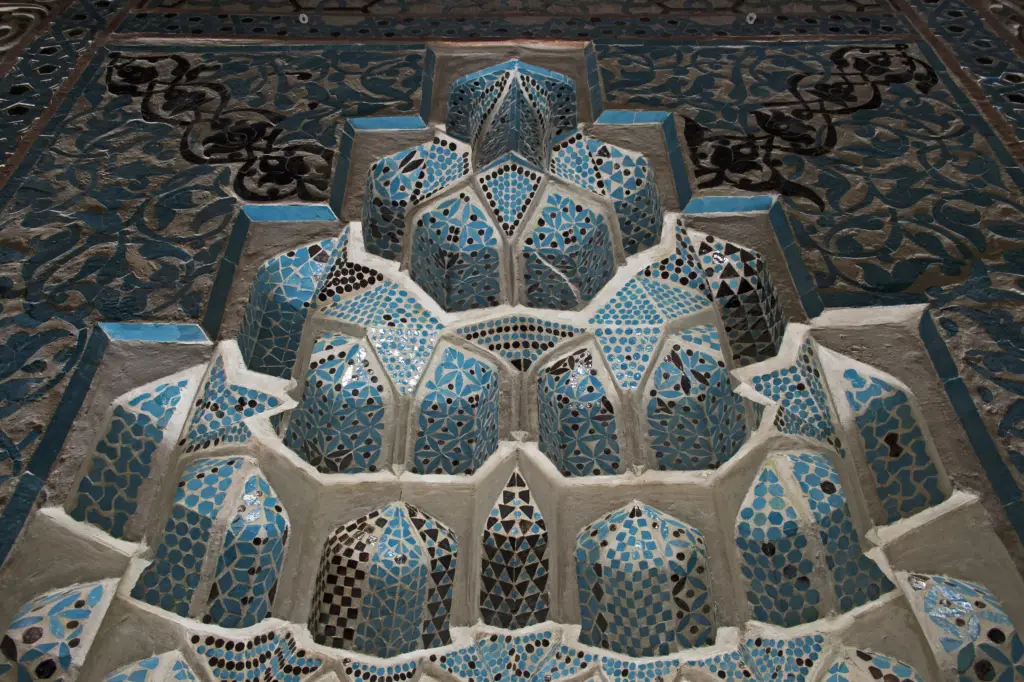
The House of the Lion below Ankara Castle: wooden columns with ancient stone crowns and a tiled Seljuk mihrab.
Overview
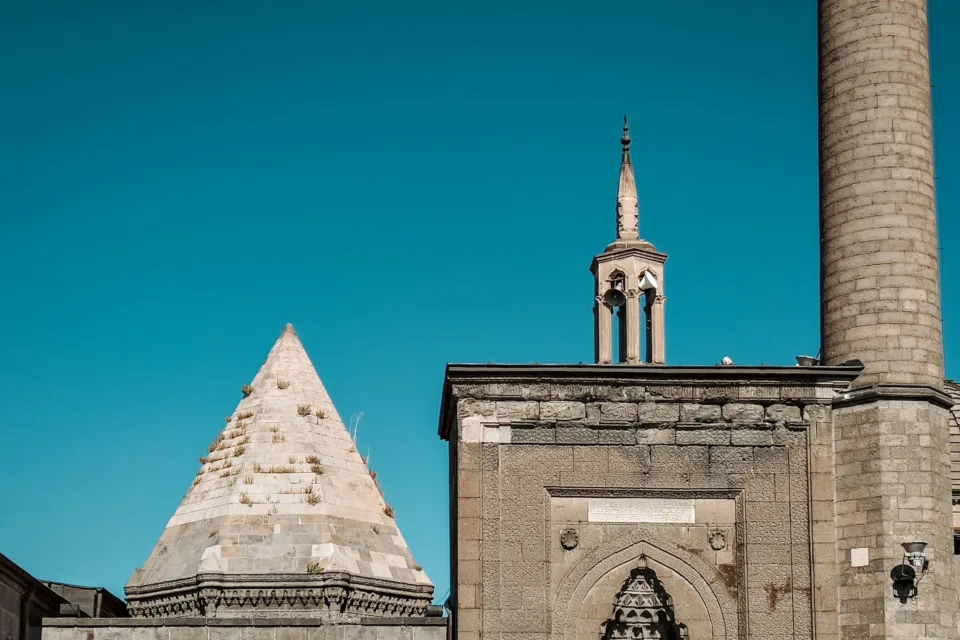
Just below the castle of Ankara, in the old quarter on the hill, a brick minaret rises above a mosque of stone and timber. Inside, however, 24 tall wooden columns carry a wooden roof, and some of them wear ancient stone capitals like crowns. So this is the Aslanhane Mosque, the House of the Lion, built in 1289–90 and one of the five medieval wooden mosques on the UNESCO World Heritage List.
- Good for
- Seljuk art, UNESCO heritage, old Ankara
- Best combined with
- Anıtkabir, Gordion, Sivrihisar Grand Mosque
The Story of the Aslanhane Mosque
To begin with, the mosque went up in 1290, in the reign of the Seljuk sultan Mesud II. Its architect was Ebubekir Mehmet, while two leaders of the Ahi brotherhood, Hüsamettin and Hasaneddin, paid for it. At the time, the Ahis were guilds of craftsmen and traders that ran much of town life in medieval Anatolia.
Ahi Şerafettin and the lion
Later, the Ahi leader Şerafettin, who died in 1350–51, was buried in a tomb beside it, and so the mosque is also known as the Ahi Şerafettin Mosque. Today, his tomb stands opposite. By contrast, the popular name comes from a stone lion that was built into the walls. Hence, it became Aslanhane, the house of the lion. With a guide, join our Aslanhane Mosque tour in Ankara.

A World Heritage Site since 2023
Much later, in 2023, UNESCO added the mosque to its World Heritage List as one of the Wooden Hypostyle Mosques of Medieval Anatolia, together with the Eşrefoğlu Mosque in Beyşehir, the Mahmut Bey Mosque near Kastamonu, the Sivrihisar Grand Mosque and the Grand Mosque of Afyon.
What to See at the Aslanhane Mosque
A building of reused stones
First, walk around the outside. Notice that the builders took much of their material from older buildings, so blocks, carved fragments and inscriptions now sit in its walls. So, if you look closely, you can read the history of Ankara in a single facade.

Wooden columns with stone crowns
Next, step inside. Overall, the square hall covers about 400 square meters (4,300 square feet), and 24 wooden columns hold up its wooden roof. On top of several of them, also look for ancient stone capitals reused from older buildings.

The tiled mihrab
Finally, walk to the mihrab (the niche that shows the direction of prayer), the prayer niche. Here, especially, Seljuk tiles in turquoise and black form a honeycomb of muqarnas.
One of Five Wooden Hypostyle Mosques
The World Heritage listing of 2023 brings together five mosques built between the late 13th and the mid-14th century, each in a different region of Turkey. In order of age, they are the Afyonkarahisar Grand Mosque (1272–77), the Sivrihisar Grand Mosque (1274–75), Ahi Şerefeddin, the official name of Aslanhane (1289–90), the Eşrefoğlu Mosque in Beyşehir (1296–99) and the Mahmut Bey Mosque in the village of Kasaba near Kastamonu (1366–67). In all five, wooden posts with muqarnas or reused capitals carry a flat timber ceiling. Like Eşrefoğlu and Mahmut Bey, Aslanhane has a long, basilica-like plan. Its roof was once flat and covered with earth, and today a hipped roof clad in metal covers it.
Tips for visiting the Aslanhane Mosque
Our notes for Aslanhane
- HeightIt stands at about 947 m (3,107 ft) above sea level.
- PrayerA working mosque; visit outside prayer times.
- LookFind the reused ancient stones in the walls.
Our suggestion Combine the mosque with a walk up to Ankara Castle and the old streets around it.

Because a whole city's past is built into it. Read old stones in its walls, look up at Roman capitals on wooden columns, then stand before a mihrab of turquoise tiles from 1290.
Map
Open in Google Maps (opens in a new tab) Open in Apple Maps (opens in a new tab)
Frequently asked questions
Where is the Aslanhane Mosque?
In the old quarter of Ankara, next to Ankara Castle, at about 947 meters (3,107 feet) above sea level.
Why is it called Aslanhane?
Aslanhane means house of the lion, after a stone lion that was built into the walls.
How old is the Aslanhane Mosque?
Its minbar inscription dates it to 1290, under the Seljuk sultan Mesud II, though the mosque is thought to be older.
Is the Aslanhane Mosque a UNESCO site?
Yes. Since 2023, the Aslanhane Mosque has been one of the five mosques of the World Heritage Site of the Wooden Hypostyle Mosques of Medieval Anatolia.
What are the five wooden hypostyle mosques?
The Afyonkarahisar Grand Mosque, the Sivrihisar Grand Mosque, Ahi Şerefeddin (Aslanhane) in Ankara, the Eşrefoğlu Mosque in Beyşehir and the Mahmut Bey Mosque near Kastamonu, listed together by UNESCO in 2023.