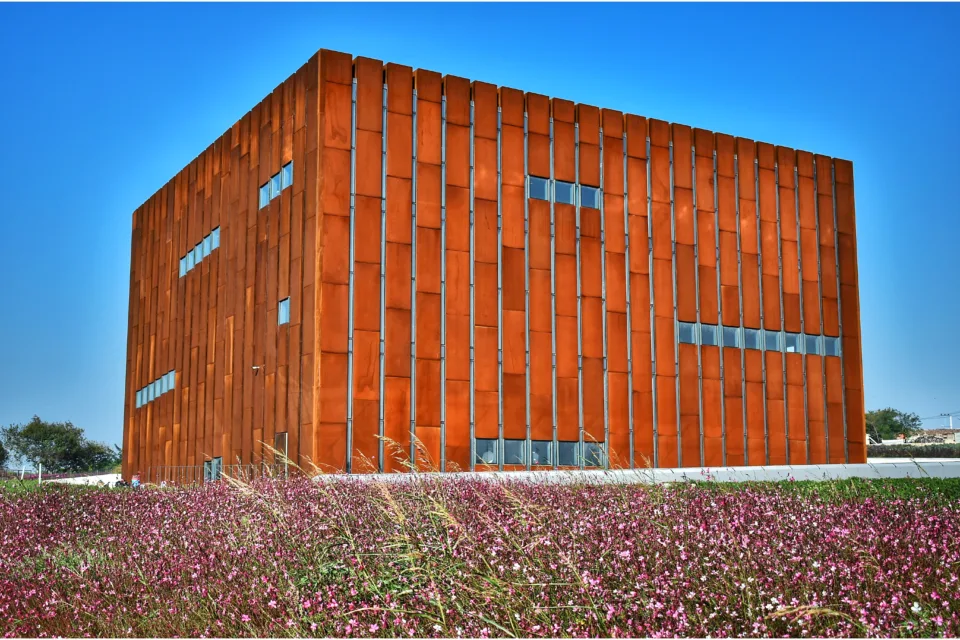
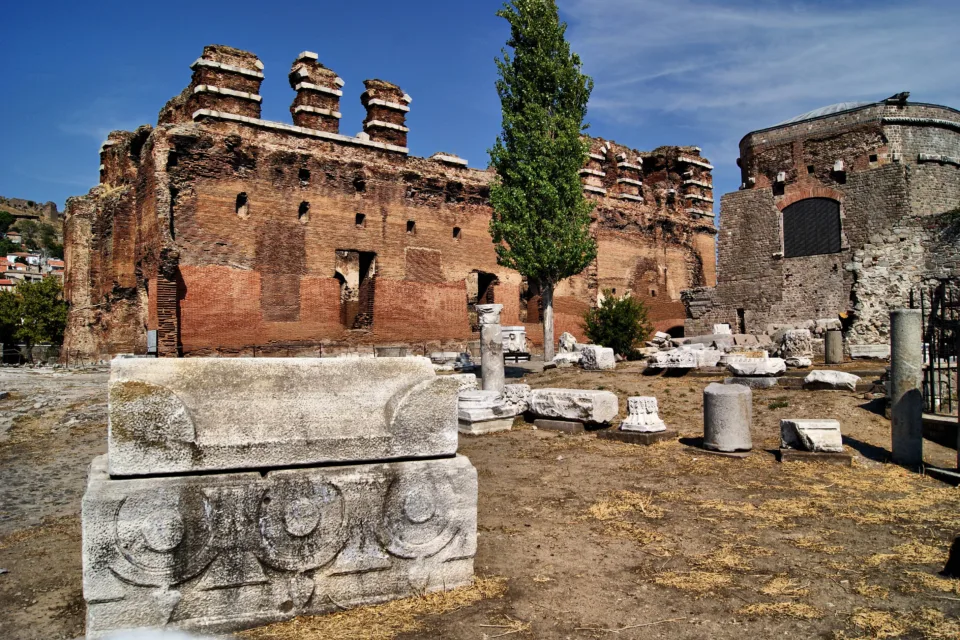
Habib-i Neccar Mosque, Antakya
The Habib-i Neccar Mosque in Antakya: dating to 638, named after a carpenter of Antioch linked…
Photo: Ahmet KAYNARPUNAR / Wikimedia Commons, CC BY-SA 3.0
Ancient Daphne, the leafy resort of Antioch, with its waterfalls and picnic gardens.
Just south of Antakya, water runs down through laurel and plane trees in a string of small falls. This is Harbiye, the ancient Daphne.
The place takes its old name from the legend of Apollo and the nymph Daphne, who turned into a laurel tree to escape him. In the Seleucid period, Daphne was the resort of Antioch, with waterfalls, villas, temples and a stadium that hosted games in the Olympic style. Strong earthquakes later destroyed the town, and no clearly visible remains survive.

Today, Harbiye is a green area of picnic gardens and tea places along the water. Families from Antakya come here on warm afternoons. For the mosaics of the old villas of Antioch, see our page on the Hatay Archaeology Museum.
Local belief holds that Daphne’s tears still feed the waterfalls of Harbiye. In the legend, Apollo first saw the nymph by a river and chased her. So she called on Mother Earth for help and became a laurel tree. Then Apollo took the laurel as his sacred tree, and he crowned heroes and victors with its leaves. Also, the Turkish word for laurel is defne, and Harbiye today lies in the district of Defne.
Back then, the resort served Antioch, which Seleucus I founded in 300 BC. Then, under Rome, Antioch grew into the third-largest city of the empire by population, after Rome and Alexandria.
Between 1932 and 1939, Princeton University and its partners dug at Antakya, Harbiye and Seleucia Pieria. Then their work uncovered the floor mosaics that now form the heart of the Hatay Archaeology Museum’s collection. However, the finds of those years also went abroad. Today they still sit in about 20 museums and private collections, among them the Princeton University Art Museum, the Worcester Art Museum and the Louvre. The museum building in Antakya is closed while restorers work on it in stages, so ask us to confirm before you plan a visit.
Since 2017, Hatay has been part of the UNESCO Creative Cities Network for gastronomy. So, after the falls, plan a long meal in town or at one of the tea gardens by the water. Then, for dessert, order künefe, because Antakya Künefesi became a registered Turkish geographical indication in 2008.
Our notes for Harbiye
Our suggestion Come in the late afternoon on a hot day, and pair it with the museum in the morning.
Would you like to see Antakya and its surroundings with a guide who follows how the city is rebuilding? Harbiye’s picnic gardens are made for lunch; pick your day and we will plan the drive up from Antakya. See our Antakya tour, our drivers and our Hatay guide.
Because the people of Antakya have come here to cool off for two thousand years. Sit by the water with a glass of tea.
The Habib-i Neccar Mosque in Antakya: dating to 638, named after a carpenter of Antioch linked…

The Antakya Ulu Mosque: a mosque complex by the Asi River with a minaret inscription of…
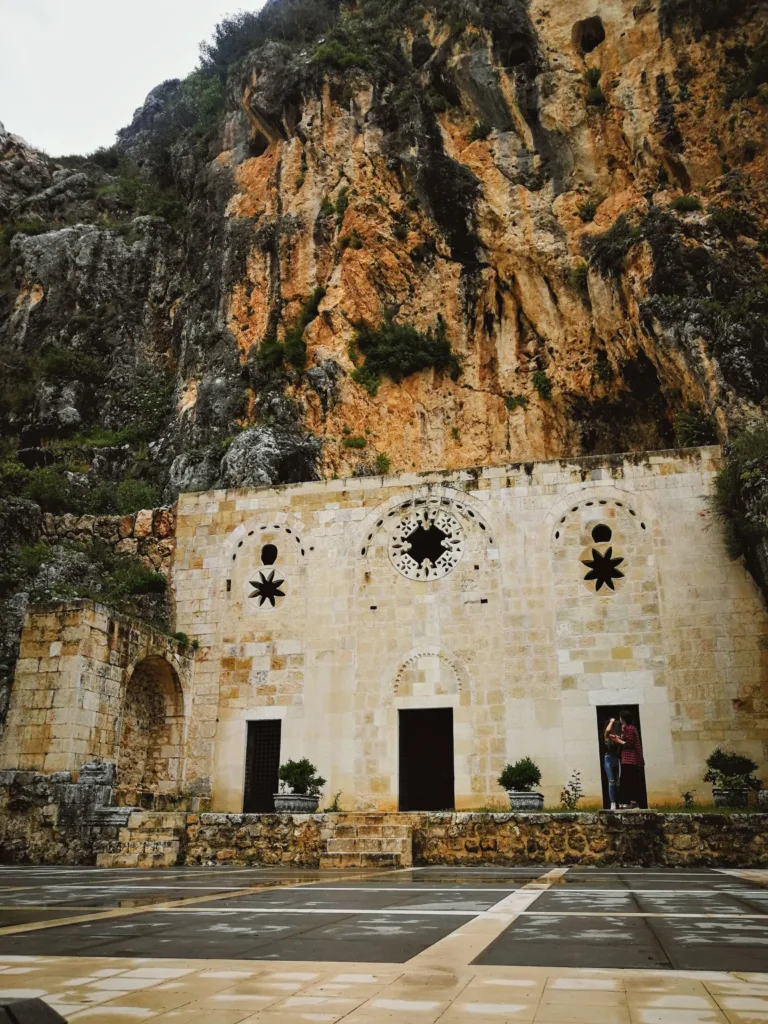
The cave Church of St. Peter near Antakya, ancient Antioch: where tradition says the apostle Peter…

The Hatay Archaeology Museum in Antakya: Roman mosaics from ancient Antioch, Daphne and Seleucia Pieria, the…

St. Simeon Monastery near Antakya: a sixth-century monastery on a hill of about 479 m, built…

The Titus Tunnel at Çevlik, Samandağ: a 1,380 m Roman flood channel begun under Vespasian in…

Alalakh (Tell Atchana) in Reyhanlı, Hatay: a Bronze Age royal city on the Amik Plain, capital…
Open in Google Maps (opens in a new tab) Open in Apple Maps (opens in a new tab)
A green area of waterfalls and picnic gardens near Antakya, on the site of ancient Daphne.
After the legend of Apollo and the nymph Daphne, who turned into a laurel tree.
Strong earthquakes destroyed the ancient town and no clearly visible remains survive.
Many of the mosaics found at Harbiye and Antakya in the 1930s are in the Hatay Archaeology Museum, and others are in about 20 museums and collections abroad, among them the Louvre.