St. Pierre Church (Church of St. Peter), Antakya
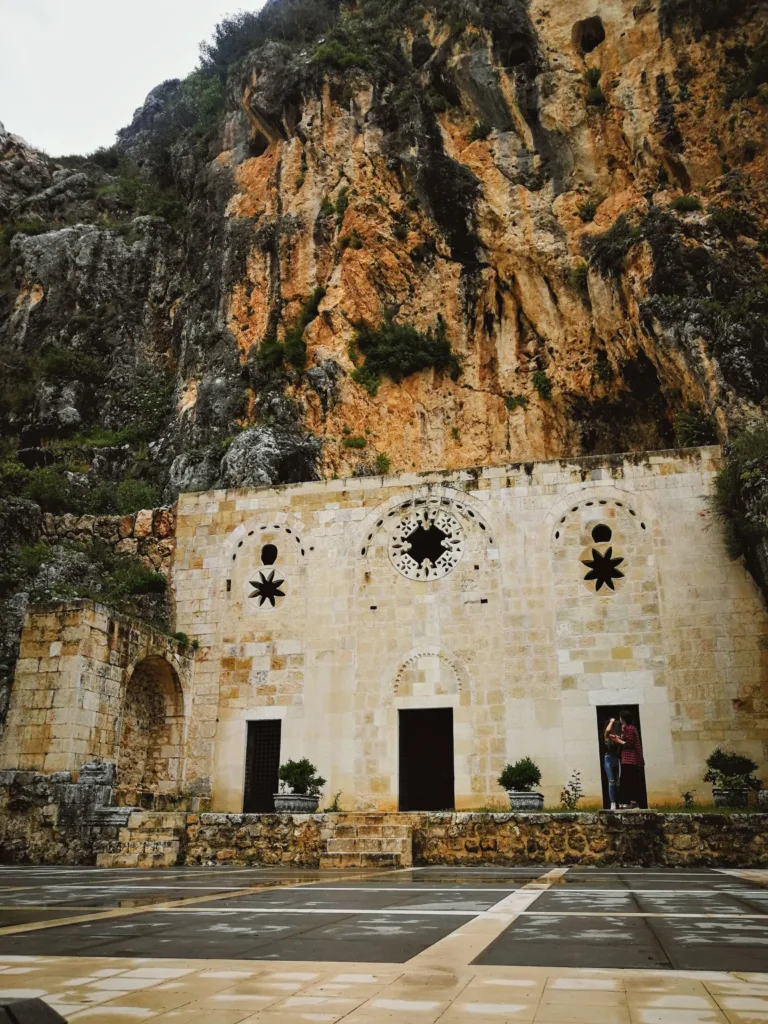
The cave Church of St. Peter near Antakya, ancient Antioch: where tradition says the apostle Peter…
Photo: Carole Raddato from FRANKFURT, Germany / Wikimedia Commons, CC BY-SA 2.0
The floors of Roman Antioch, hung on the walls: one of the largest mosaic displays in the world.
Ancient Antioch was one of the great cities of the Roman East, and its wealthy families loved floors of colored stone. When archaeologists dug here in the 1930s, they found few walls standing but hundreds of mosaic floors. Many of the finest are now on the walls of the Hatay Archaeology Museum in Antakya, so you walk past gods, hunters and banquet tables that once lay under Roman feet.

Between 1932 and 1939, an expedition led by Princeton University, with the Louvre, the Baltimore Museum of Art, the Worcester Art Museum and Dumbarton Oaks, excavated Antioch and its suburbs. In all, they lifted more than 300 mosaic floors, most of them from around the 3rd century AD. When the work ended, about half stayed in Antakya, and the rest went to museums in the United States and France.
Then, in 1948, the first museum opened to the public. As the collection grew, the city needed more room. On 28 December 2014, a new and much larger museum opened outside the old center.
Much of the new building is given to mosaics, and its nineteen halls take you through the region from the Old Stone Age to the end of the Middle Ages.

The mosaics come from Antioch itself, from Daphne, today’s Harbiye, where the rich kept summer villas by the springs, and from the port of Seleucia Pieria near Samandağ. First, look for the Buffet Supper mosaic, with real dishes of a Roman meal laid around its border. Find Dionysus and Ariadne, the drunken Dionysus, Orpheus charming the animals, and the Four Seasons.

Mosaics are only half the story, though. From the mound of Tayinat in the Amik Plain comes the statue of King Šuppiluliuma, a ruler of the Iron Age kingdom there. The galleries also show the carved Antakya Sarcophagus, the Tyche of Antioch, the goddess of the city’s fortune, and ancient skulls shaped into a pointed form while their owners were children.

Our notes for the Hatay Archaeology Museum
Our suggestion Start with the mosaics while you are fresh, then the Hittite and Iron Age rooms. Afterward, drive up to Harbiye, the ancient Daphne, where many of these floors were found, and stop for a künefe on the way back.
The museum closed on February 6, 2023, the day of the earthquakes. It remains closed until the works end. In February 2026, restorers were working on it in stages, and the museum was still closed in November 2026. By then, the team had lifted 72 mosaics in panels covering 1,080 m² (11,600 square feet). Also, inside the building, restorers were still treating 1,125 m² (12,100 square feet) of damaged mosaic panels.
So, until it reopens, see the region’s mosaics elsewhere, starting with the second museum in the city on our Antakya tour. The Princeton excavations of 1932–1939 sent about half of the Antioch floors abroad. Today, these floors sit in about 20 museums and collections. Among them are the Princeton University Art Museum, the Worcester Art Museum and the Louvre.
The museum has stayed shut for restoration since February 2023; we check its status for our guests. Give it at least two hours. Afterward, combine it with the cave St. Pierre Church on the edge of town, and end the day with the city’s famous künefe. To compare, the Zeugma Mosaic Museum in Gaziantep holds the other great mosaic collection of the region. Many finds come from the Bronze Age city of Alalakh, where excavations still continue.

Because these were the floors of real dining rooms in one of the richest cities of the Roman East. Look at the border of the Buffet Supper mosaic and you see what was on the table.
The cave Church of St. Peter near Antakya, ancient Antioch: where tradition says the apostle Peter…
Open in Google Maps (opens in a new tab) Open in Apple Maps (opens in a new tab)
Its Roman and Byzantine mosaics from ancient Antioch and its suburbs, most of them found between 1932 and 1939.
From Antioch, from Daphne (today's Harbiye) and from Seleucia Pieria near Samandağ, mostly excavated between 1932 and 1939.
The new building opened on 28 December 2014. The first museum opened in 1948.
It closed after the earthquakes of February 6, 2023. In February 2026, restorers were working on it in stages, and the museum was still closed in November 2026.
In February 2026, the museum directorate had lifted 72 mosaics in panels covering 1,080 m², and restoration of 1,125 m² of mosaic panels was continuing inside the building.