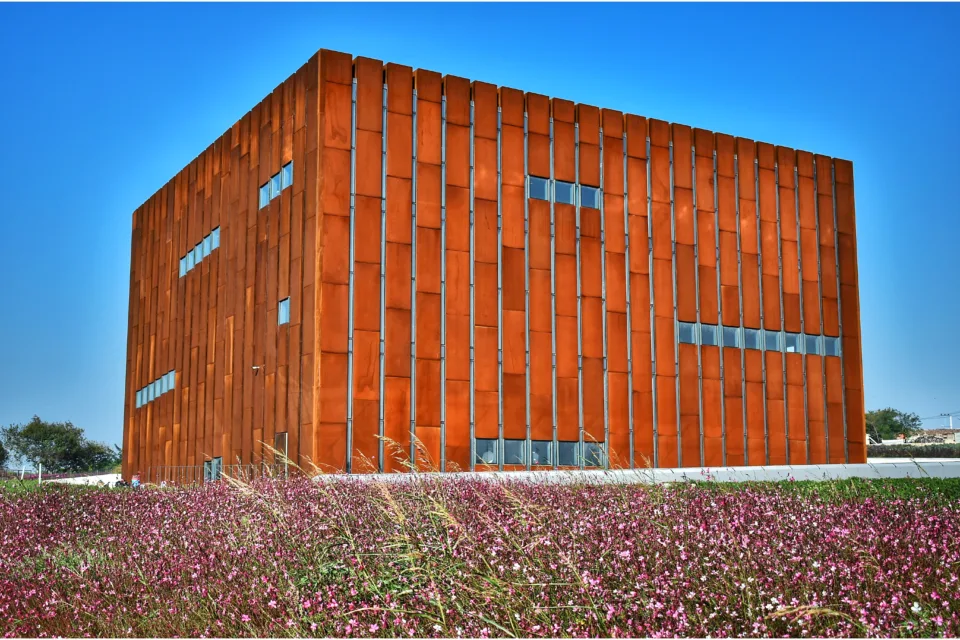
Istanbul Archaeology Museums
The Istanbul Archaeology Museums beside Topkapı Palace: the Alexander Sarcophagus, the lions of Babylon, the oldest…
Türkiye GMT+3
Monday, November 9, 2026
Replies within 24 hours
Photo: Carole Raddato from FRANKFURT, Germany / Wikimedia Commons, CC BY-SA 2.0
The great temple of Hekate, goddess of keys and crossroads, at the end of a sacred road from Stratonikeia.
Near the village of Turgut in the Yatağan district, a forest of re-erected Corinthian columns rises from a marble platform. This was the Sanctuary of Hekate at Lagina, the largest temple ever built for the goddess of keys, torches and crossroads. For both sites in one day, join our Stratonikeia and Lagina tour. Every year, pilgrims walked here from the city of Stratonikeia along a sacred road, and a girl carrying a key led the festival.
Today its columns stand again, and its carved friezes are on show in Istanbul.
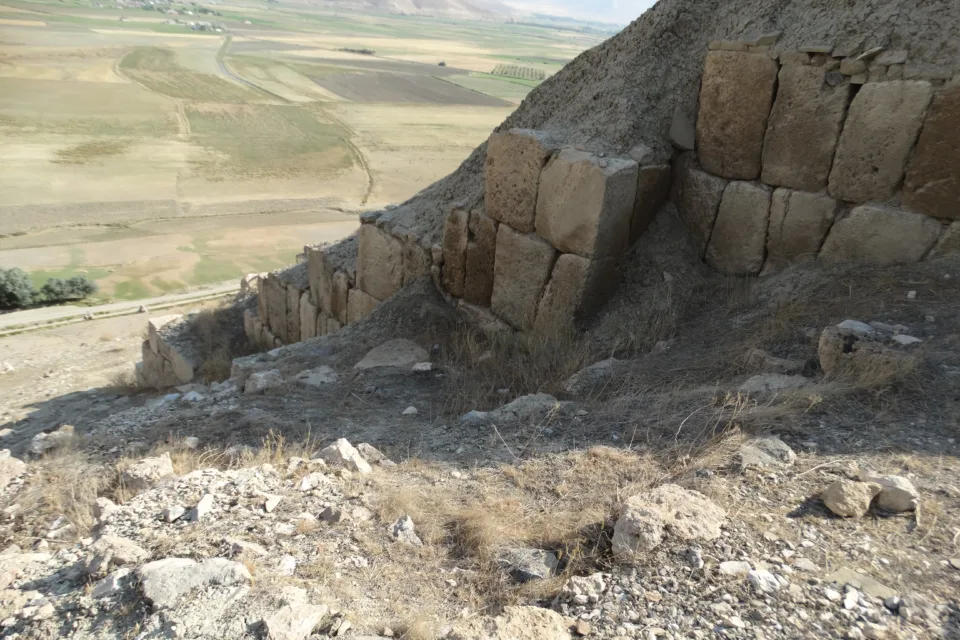
Lagina was a town and religious center of ancient Caria, near today’s Turgut in Muğla province. For most of antiquity, it belonged to Stratonikeia, which lay about 11 kilometers (7 miles) away along a sacred path. Recent studies also show that people used the site without a break since the Bronze Age.
Most of all, the site was famous for its monumental temple of Hekate, where great festivals took place every year. Hekate’s roots were probably Carian and Anatolian, and her image even appeared on the coins of Stratonikeia after 167/166 BC.
The town already existed in the 4th century BC, as a district of nearby Koranza. Later, after the Seleucids founded Stratonikeia in the mid-3rd century BC, it became one of the city’s great rural sanctuaries. Soon, the Seleucid kings built heavily here and made it a leading religious center of its time.
The most elaborate temple of Hekate went up in the 2nd century BC, probably before 133 BC. Scholars see it as the last great monument of the “Ionian Renaissance” that began in Caria with the Mausoleum at Halicarnassus. In 40 BC, Quintus Labienus and his Parthian allies attacked the sanctuary, so Emperor Augustus paid for repairs and a new altar.
An earthquake in the year 365 left the stoas unused and cracked the altar. Afterwards, a large basilica rose between the altar and the temple, in use from the 4th to the 6th century. The town also became the seat of a bishop.

After long restoration, archaeologists have re-erected the columns of the temple. Originally, it was built in the Corinthian order, with 8 columns on the short sides and 11 on the long sides. An inscription on the entrance gate also records that Augustus supported the sanctuary.
The rituals here were unique. For example, in the “Key-Carrying” ceremony, a choir of girls walked to Stratonikeia. Then, on their return, the girl carrying the key, the kleidophoros, opened the gates, and the festival began. The rite reminded everyone that the city controlled the sanctuary, and that Hekate held the keys to the underworld.
Today, the temple’s friezes are in the Istanbul Archaeology Museums. Together, they show four themes: scenes from the life of Zeus on the east, gods fighting giants on the west, a gathering of Carian gods on the south and a battle with Amazons on the north.
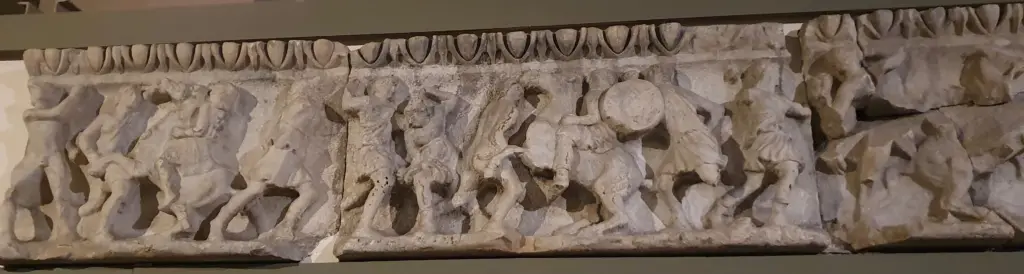
In 1856, the British archaeologist Charles Newton found more than thirty inscriptions and nine frieze blocks here. Then, in 1891, Osman Hamdi Bey led the first authorized excavation at Lagina, the first ever carried out by a Turkish scientific team. Since 1993, an international team has continued the work under the Muğla Museum.

Our notes for Lagina
Our suggestion Combine Lagina with Stratonikeia, its mother city a short drive away, and walk the old Sacred Way in your mind between them.
Because Hekate had no greater temple anywhere. Walk among the re-erected columns, picture the girl with the key opening the gates, then follow the sacred road back to Stratonikeia.
The Istanbul Archaeology Museums beside Topkapı Palace: the Alexander Sarcophagus, the lions of Babylon, the oldest…
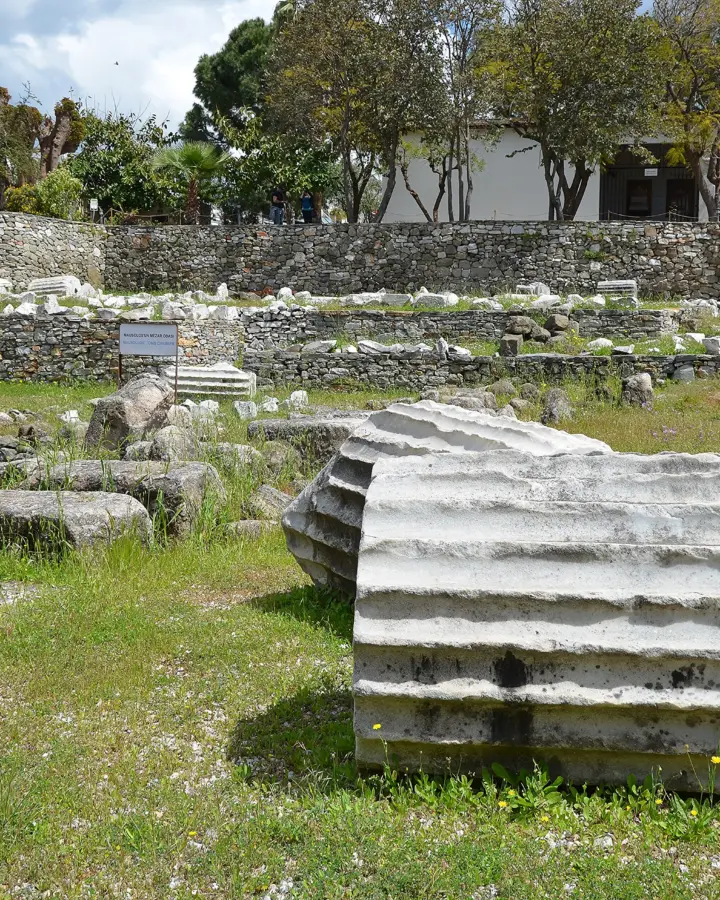
The Mausoleum at Halicarnassus in Bodrum, the tomb of King Mausolus and a Wonder of the…

Stratonikeia at Eskihisar near Yatağan: a Hellenistic and Roman city of Caria with a monumental north…
Open in Google Maps (opens in a new tab) Open in Apple Maps (opens in a new tab)
An ancient sanctuary of the goddess Hekate in Caria, near Turgut in Muğla province, with the largest known temple to her.
About 11 km (7 miles), along an ancient sacred road that pilgrims walked every year.
In the Istanbul Archaeology Museums; they show Zeus, a battle of gods and giants, Carian gods and Amazons.
Charles Newton found inscriptions in 1856, and Osman Hamdi Bey led the first authorized Turkish excavation in 1891.