

Kümbet Plateau, Giresun
Kümbet Plateau in Dereli, Giresun: a summer pasture about 60 km from the city, a tourism…
Photo: Zeynel Cebeci / Wikimedia Commons, CC BY-SA 4.0
A great castle on a black rock in inland Giresun, with cisterns cut into the stone.
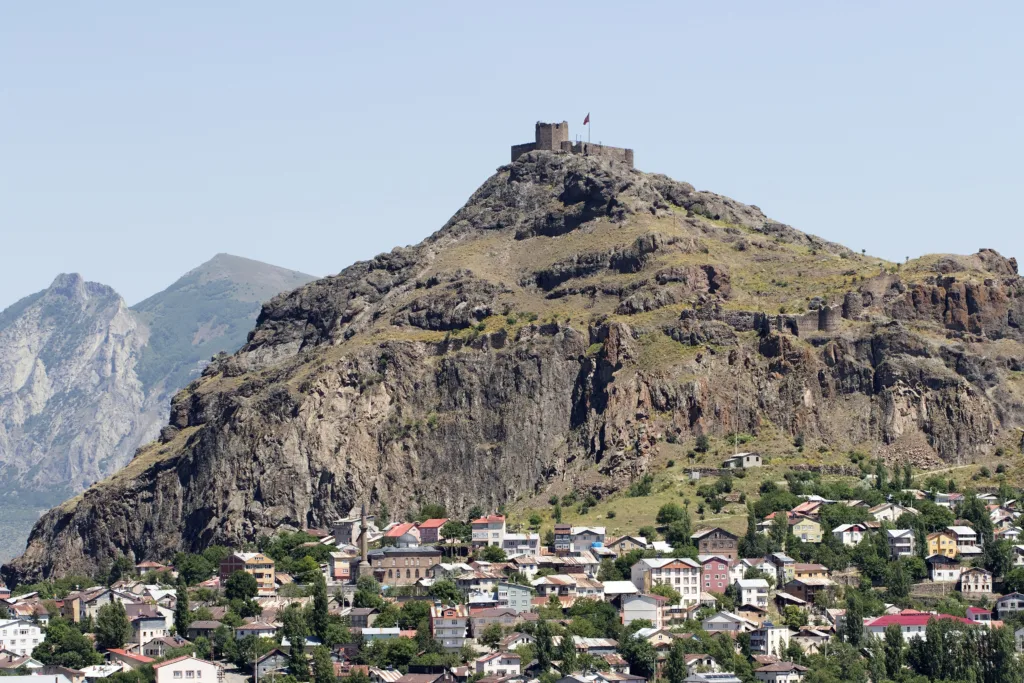
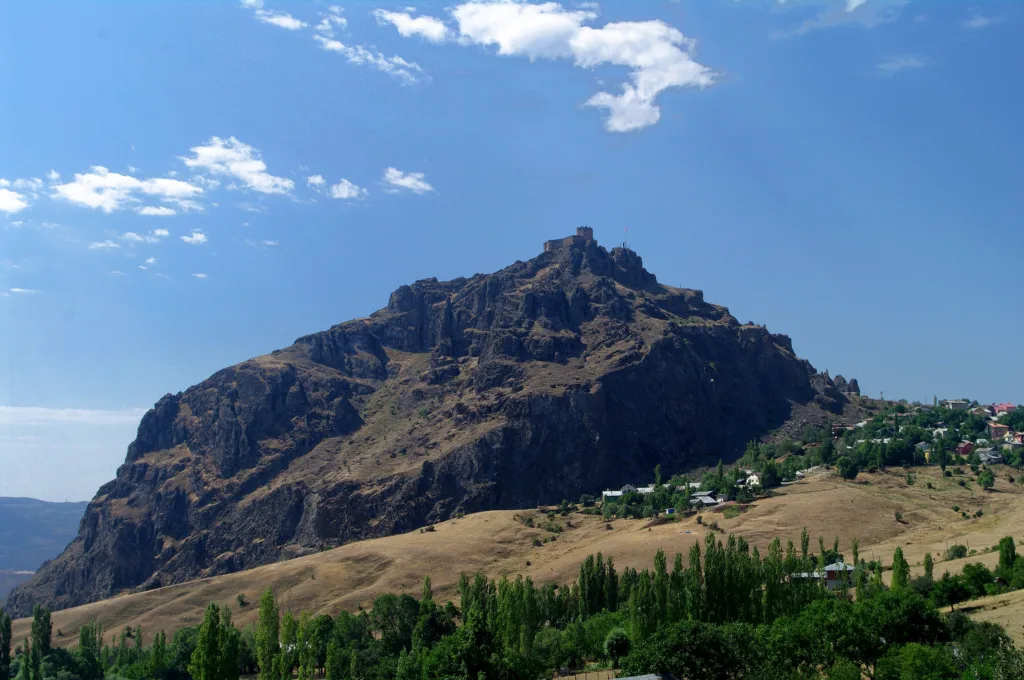
Şebinkarahisar Castle crowns a dark rock above the town, and a stepped road leads up to it. On the way to the top, you pass cisterns cut deep into the stone. Our Şebinkarahisar tour comes here from Giresun.
No inscription records when the castle was built, and its first walls may be older than the Romans. Much of it was rebuilt under the Mengücek dynasty, and the Mengücek ruler Fahrettin Behramşah made major additions in 1184. The gate and the walls you see today are Seljuk and Ottoman. In the seventeenth century, Evliya Çelebi described about seventy houses inside, many cisterns, grain stores and the Küçük Fatih Mosque. Nothing survives of the inscription and the double-headed eagle relief over the gate, destroyed in 1896.
Armenians in Şebinkarahisar gathered in the castle in June 1915, and Ottoman forces besieged it and took it in July. That year began the Armenian genocide of 1915–16, the Ottoman government’s destruction of its Armenian population. The castle was badly damaged in 1915.
Our notes for Şebinkarahisar
Our suggestion Look for the rock-cut water tunnel the locals call Kırk Badal, and come up late in the day for the light on the rock.
Also, about 11 km (7 miles) east of the town, in Sarıyer village, the Meryem Ana Monastery sits in a large hollow in a steep rock face. It dates to the Byzantine period, but the ruins you see today come from a full renewal in the 19th century. The complex held 32 rooms with painted walls, a dormitory, a classroom, a dining hall and, at the top, a church cut into the rock. Then, on the second level, four student rooms of equal size stand side by side. In front, a cistern sits on the left and a cut-stone fountain on the right. After restoration in 2013 and 2014, the monastery opened to visitors as an archaeological site in 2014.
So pair the monastery with the castle on the same long day from Giresun, because both lie far inland. Then, back in town, look for the Atatürk House and the old stone inns, the Taşhanlar.
Şebinkarahisar is a long day from the coast, so stop at Kuzalan Waterfall and Kümbet Plateau on the way. No hours or fee are published, so ask us to confirm before you go. We plan the climb to Şebinkarahisar Castle on your Giresun route.
Would you like to see the Giresun highlands with someone who knows them? Our founder’s family lives in Giresun, so we plan the plateaus, the waterfalls and the castles with a local driver, and add a hazelnut harvest day in August. The castle and the Meryem Ana Monastery are a long drive inland, best as a tailor-made trip or an extra day on our Black Sea tour; our Giresun guide has the rest.
Because it is one of the most dramatic castles of the Black Sea interior. Climb the steps for the view over the town.
Kümbet Plateau in Dereli, Giresun: a summer pasture about 60 km from the city, a tourism…
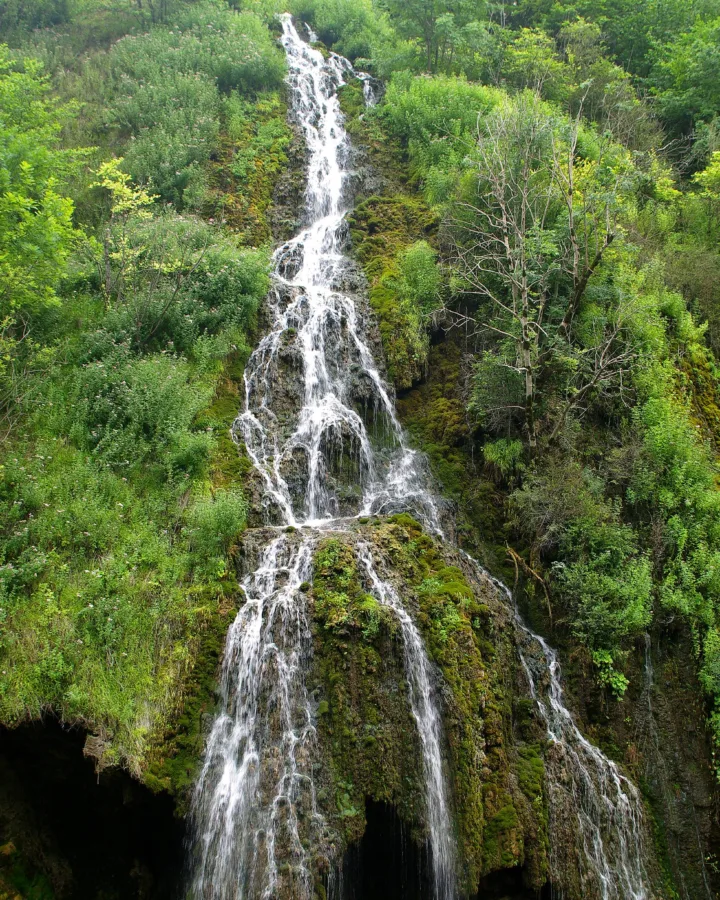
Kuzalan Waterfall in Dereli, Giresun: about 20 m high, with a viewing terrace, inside the 482-hectare…

Mavi Göl in Dereli, Giresun: a turquoise lake formed by three small lakes joined together, locally…

Bedrama Castle near Tirebolu, Giresun: a castle of unknown date, widely thought to be medieval, on…
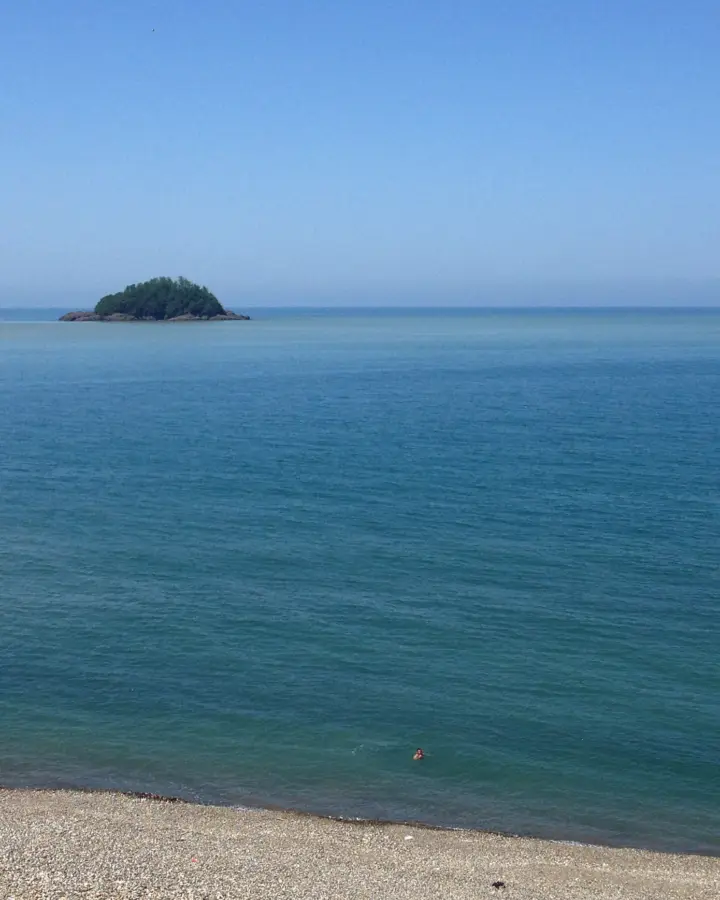
Giresun Island, the Island of Ares off the Black Sea coast: Amazon and Argonaut legends, a…
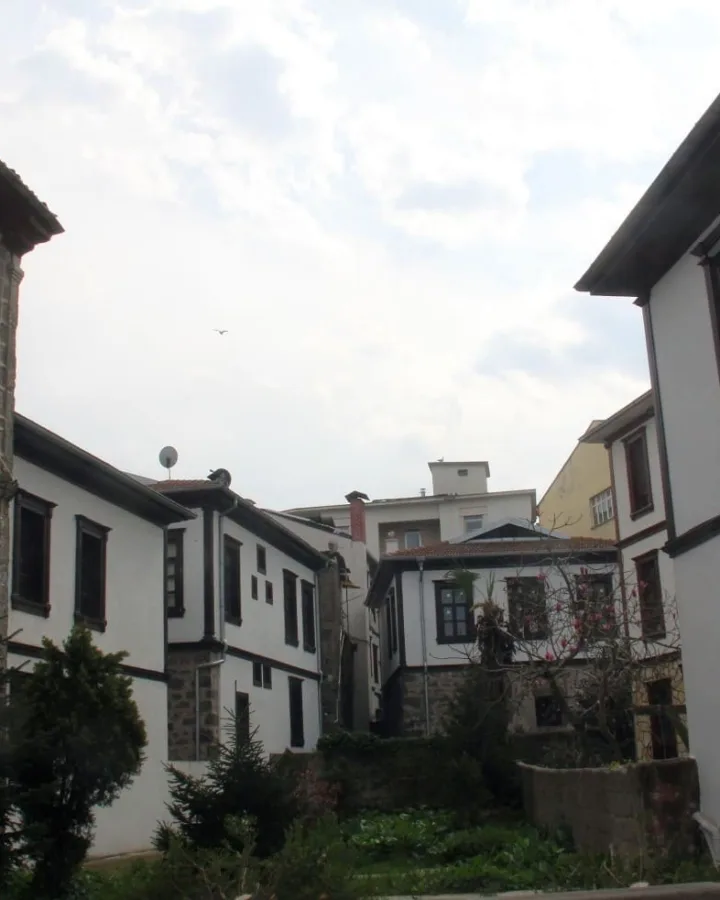
Zeytinlik in Giresun: the protected old quarter, once called Gogora, with about 80 registered houses some…

The Giresun Museum: housed in a former Greek Orthodox church in the Zeytinlik quarter, a prison…
Open in Google Maps (opens in a new tab) Open in Apple Maps (opens in a new tab)
On Hacı Kayası hill north of the town of Şebinkarahisar, 109 km by road from Giresun.
No inscription gives the date. Its origins may be older than the Romans, and the Mengücek ruler Fahrettin Behramşah added to it in 1184.
Armenians gathered in the castle in June 1915 and Ottoman forces took it in July. That year began the Armenian genocide of 1915–16.
The Meryem Ana Monastery, set in a hollow in a rock face about 11 km east of the town, restored in 2013 and 2014.


