
Photo: shankar s. / Wikimedia Commons, CC BY 2.0
Hot Springs in Turkey: Bursa, Pamukkale, Afyon and the Hamam
Hot springs in Turkey: the Ottoman baths of Çekirge in Bursa, the travertines of Pamukkale and the red water of Karahayıt, the mud of Afyon, Kızılcahamam, Sultaniye and the hamam.
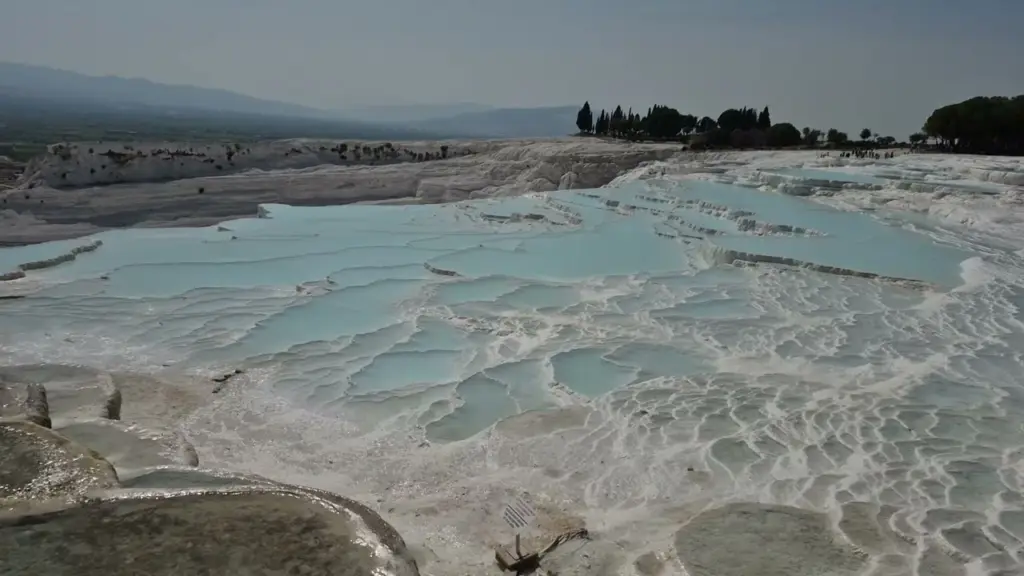
On a cold winter morning at Pamukkale, steam rises off the white travertine. Warm water spills from one pool into the next. The water leaves the ground at about 35 °C (95 °F). In the air, its calcium settles as a soft gel and slowly hardens into white stone. That is the magic of the hot springs in Turkey. The same warmth fills a sultan’s bath in Bursa, the mud of Afyon and a domed bath near Dalyan.
A Land of Hot Springs
Across Anatolia, warm water rises from the ground in many places, and people have bathed in it since antiquity. The Romans built baths over the springs, and the Byzantines and Ottomans built on top of the Roman ones. Today, the hot springs in Turkey range from village pools to large thermal towns with their own spa hotels.
Bursa and the Baths of Çekirge
On the slopes of Uludağ, the quarter of Çekirge has been famous for its thermal water for centuries. The Byzantines called it Pythia. Today, Bursa is a member of the European Historic Thermal Towns.
In Çekirge, Murad I built the Eski Kaplıca as a double bath in the 14th century. Bayezid II added its cooling hall in 1511. Inside, look closely at the columns and capitals. They, and the water spouts shaped like lion heads, come from a Byzantine bath on the same spot.
After the bath, eat İskender kebab where it was born. Then buy a box of kestane şekeri, the candied chestnuts of Bursa.
Pamukkale and Karahayıt
At Pamukkale, you walk the travertines barefoot. The main terraces stay closed, because new travertine is soft. Instead, the water moves between sections on a schedule, and pools along the old road let you touch it. Above them, you can swim in the Antique Pool among fallen Roman columns. Hierapolis itself was a spa town in Roman times.
A short drive west, Karahayıt is the red twin of Pamukkale. Its water and mud reach 58 °C (136 °F) at the source and flow in every season. Metal oxides paint a small travertine in red, green and white. The hotels and pensions of the village pipe the water into their own pools.
Afyon, a Thermal Province
Afyonkarahisar calls itself the thermal capital of Türkiye, and its springs have been used since Byzantine times. At Sandıklı, about 60 kilometers (37 miles) from the city, the Hüdai springs are known above all for their mud. Locals tell of baths here since the Phrygians, and the ruins of a Byzantine bath still stand there.
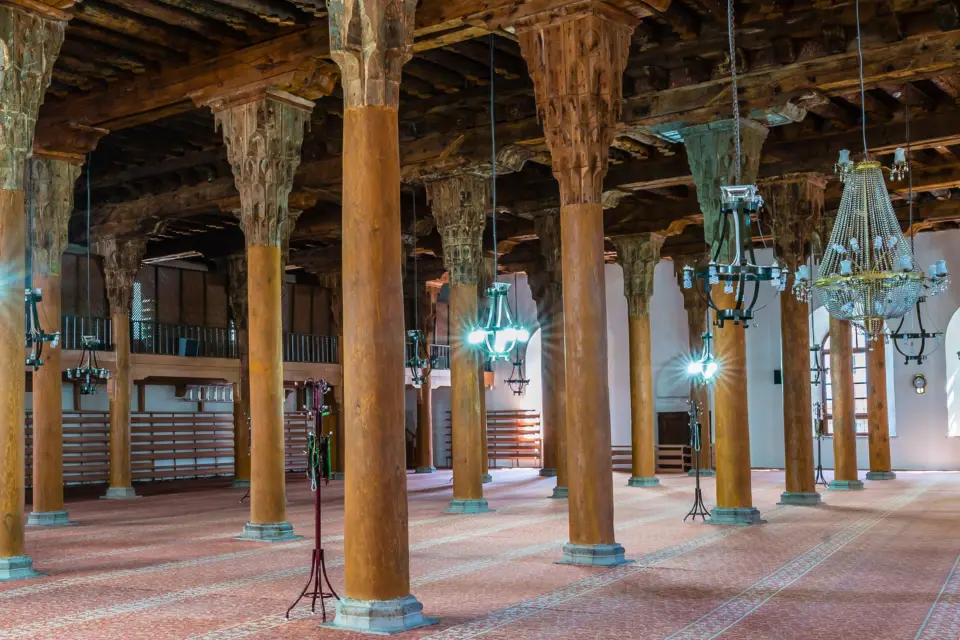
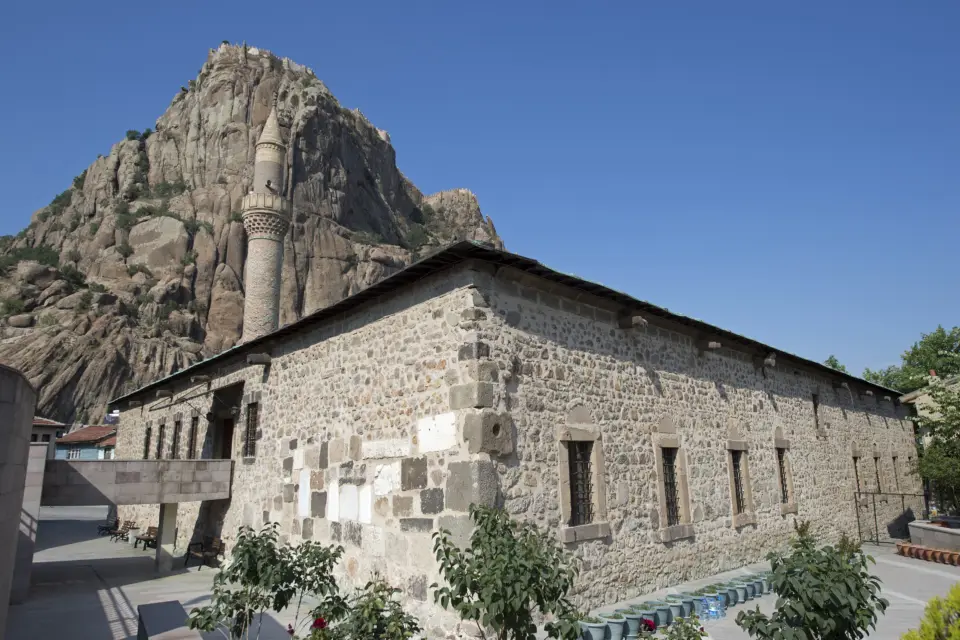
Closer to town, the Ömer spring lies about 15 kilometers (9 miles) out. Evliya Çelebi wrote about it in the 17th century, and an inscription of 1889 marks its large pool. Gazlıgöl lies north on the Eskişehir road, and Heybeli near Bolvadin was used by the Romans and Byzantines. In the city, see the wooden posts of the Afyon Grand Mosque, a World Heritage site since 2023.
Kızılcahamam Near Ankara
About 83 kilometers (52 miles) north of Ankara, Kızılcahamam is the thermal town of the capital. The municipality runs a large and a small spa. Next to the town, Soğuksu National Park is a favorite picnic ground of Ankara families. It hosts the Soğuk Su Festival every year. Near Güvem, the small Sey Hamamı spa adds a village bath.
Hot Springs in Turkey by the Sea and in the Mountains
Some hot springs in Turkey sit right by the water. On Lake Köyceğiz, the Sultaniye Hot Springs lie below Mount Ölemez, about 4 kilometers (2.5 miles) from Dalyan. The big bath runs at about 39 °C (102 °F), and the domed bath at about 41.9 °C (107 °F). Most people arrive by river boat after the rock tombs of Kaunos.
Far to the northeast, Ayder has its own hot spring in the Kaçkar Mountains. Its water rises at about 55 °C (131 °F), a warm end to a day of walking in the rain.
The Hamam: Turkey’s Bath Culture
Wherever there are hot springs in Turkey, there is a bath culture, and the hamam (a Turkish bath) grew out of the Roman bath. In Ankara, the Roman baths of the city date to the reign of Caracalla, in the early 3rd century. The Ottomans kept the order of rooms, from the changing hall to a warm room and a hot room. They also made every bath a gift that paid for something else.
In Istanbul, Mimar Sinan built the Hürrem Sultan Hamam in 1556 over the ruins of the Byzantine Baths of Zeuxippus. The Çemberlitaş Hamam of 1584 funded the charities of Nurbanu Sultan. The Cağaloğlu Hamam of 1741 paid for the library of Mahmud I inside Hagia Sophia.
The ritual has hardly changed. You wrap yourself in a peştemal, the thin cotton cloth of the bath. Then you lie on the göbektaşı, the heated navel stone. An attendant scrubs you with a rough mitt, the kese, and washes you in a cloud of soap foam.
Hot Springs in Turkey With Us
Our Pamukkale and Karahayıt thermal day pairs the white travertines with an afternoon in a red-water pool. On the coast, the Dalyan tour from Fethiye brings you to Sultaniye by boat.
From Istanbul, our Bursa day trip can end with a bath in Çekirge. We can add a spa to our Afyon tour. The Rize tea and Ayder tour climbs to Ayder and its hot spring.
In Istanbul itself, our Istanbul hammam experience takes you into a Sinan bathhouse with a guide. For spa hotels, read our guide to luxury wellness in Turkey. Would you like a trip built around the hot springs in Turkey? Tell us your dates, and we plan the baths, the drives and the hotels with thermal pools.
Frequently asked questions
Where are the best hot springs in Turkey?
Bursa, with the old baths of Çekirge; Pamukkale and the red springs of Karahayıt; the spa towns of Afyonkarahisar; Kızılcahamam near Ankara; and Sultaniye on Lake Köyceğiz near Dalyan.
Can you swim in the hot springs of Pamukkale?
You walk the travertines barefoot and touch the water in the pools along the old road. To swim, use the Antique Pool among Roman columns, or the thermal pools of Karahayıt nearby.
How hot is the water at Karahayıt?
The red water and mud of Karahayıt reach about 58 °C at the source and flow in every season. Pools in the village hotels are cooled for bathing.
What is the difference between a hot spring and a hamam?
A hot spring bath uses warm water from the ground. A city hamam heats ordinary water, but it follows the same order of rooms that grew out of the Roman bath.
You may also like
-
 Tour
Bursa Day Trip From Istanbul: The First Ottoman Capital
-
 Tour
Istanbul Hammam Experience: A Turkish Bath in a Sinan Bathhouse
-
 Tour
Private Afyon Tour: Grand Mosque and the Phrygian Way
-
 Tour
Private Dalyan Boat Tour: Rock Tombs, Hot Springs and İztuzu Beach
-
 Tour
Private Pamukkale and Karahayıt Thermal Day
-
 Tour
Private Rize Tea and Ayder Tour: Zilkale and the Highlands
-
 Place
Afyon Grand Mosque
-
 Place
Ayder