Herodotus
The Father of History was born in Bodrum, ancient Halicarnassus, and his statue still stands on its waterfront.

On the waterfront of Bodrum, three statues look out over the harbor: King Mausolus, Queen Artemisia and a bearded man with a scroll. He is Herodotus, born here in the 5th century BC, when Bodrum was the city of Halicarnassus. Today, the world calls him the Father of History.

Who Was Herodotus?
Herodotus was born around 484 BC in Halicarnassus, then part of the Persian Empire. His family was influential. His father was Lyxes, and his relative Panyassis was an epic poet. Both of these are Carian names, so Herodotus was probably at least partly of Carian origin, a son of the people who had lived on this coast long before the Greeks.
Exile and travels
When Lygdamis, a grandson of Queen Artemisia, ruled the city as a tyrant, the family fled to the island of Samos. Later, Herodotus traveled widely. He went to Egypt, probably to Tyre, and down the Euphrates to Babylon. Around 447 BC, he moved to Athens, a city he openly admired. Finally, he became a citizen of Thurii in southern Italy.

Herodotus through time
- About 484 BCBorn in Halicarnassus, today’s Bodrum
- In exileThe family flees to Samos; he travels to Egypt and Babylon
- About 447 BCMoves to Athens
- LaterBecomes a citizen of Thurii in southern Italy
The Histories of Herodotus
In his great work, the Histories, Herodotus told the story of the wars between the Greeks and the Persians, with the battles of Marathon, Thermopylae and Salamis. However, he also wandered far from the battlefield. Along the way, he described the peoples, customs and lands he had seen or heard about. For this reason, the Roman orator Cicero called him the Father of History.
Father of History, or of lies?
Not everyone agreed. Already in his own time, critics such as Thucydides accused him of telling stories just to entertain. In reply, Herodotus said that he simply reported what he saw and what people told him.
Anatolia in his pages
Because he grew up on this coast, Anatolia fills his pages: the Lydian kings of Sardis, the Persian conquest of Ionia and, naturally, his own Halicarnassus. Interestingly, he wrote in the Ionian dialect, and inscriptions show that people in Halicarnassus used it too.
In the Footsteps of Herodotus in Bodrum
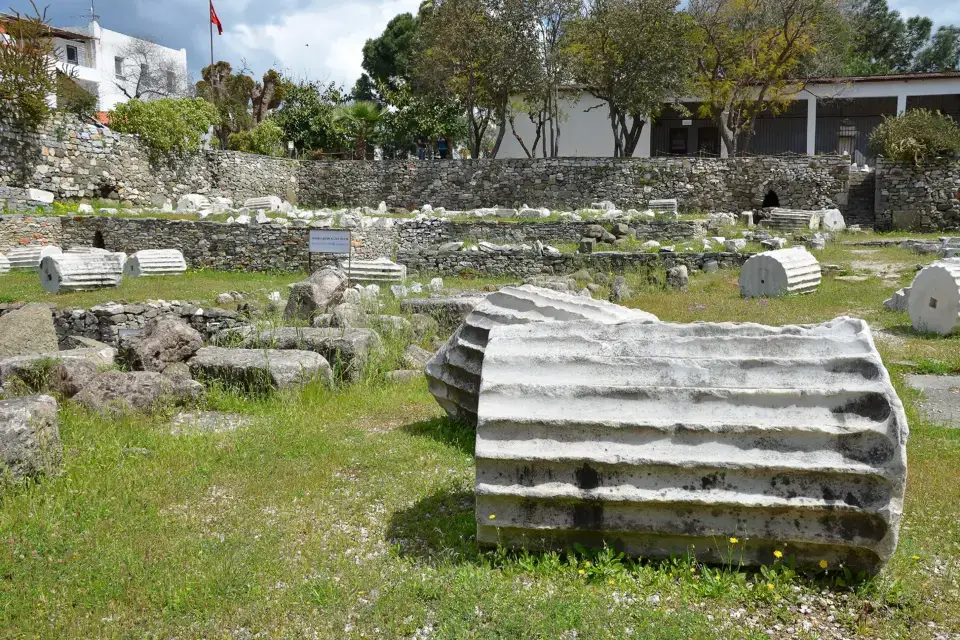
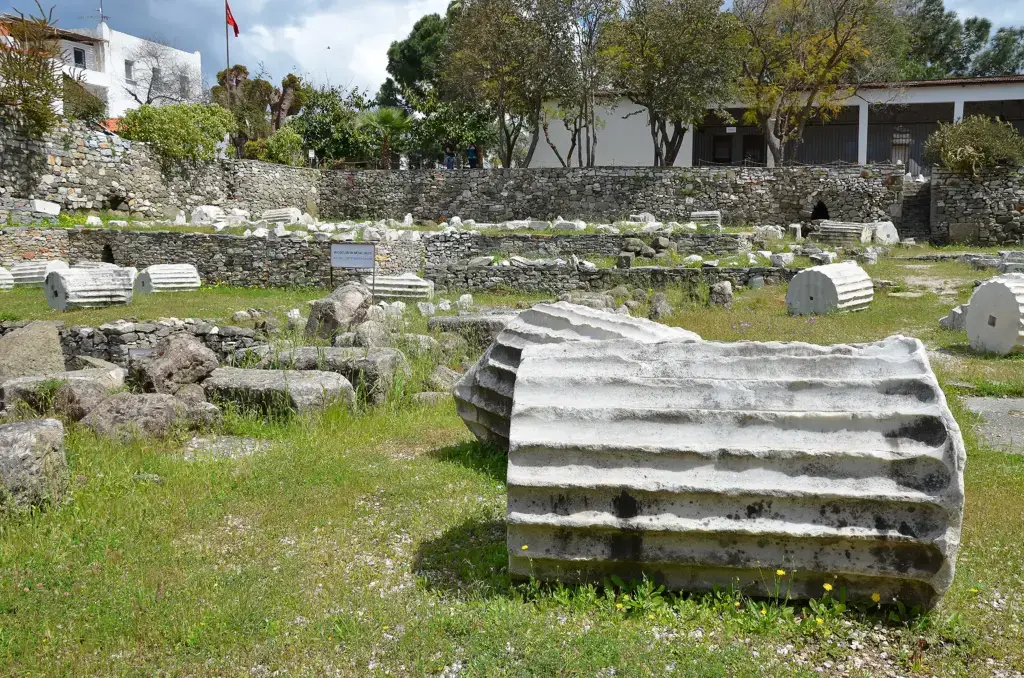
First, visit the waterfront statues of Herodotus, Artemisia and Mausolus. Then see the site of the Mausoleum at Halicarnassus, the tomb of Mausolus and one of the Seven Wonders of the Ancient World. Finally, cross to Bodrum Castle, which the Knights of Saint John built partly with stones from the Mausoleum.
For more of Herodotus’s world, travel north to Sardis, the capital of the Lydian kings, and read about the coast of Caria at Iasos. We arrange your entry at Sardis and, on the coast, at Iasos.
His city of Halicarnassus is today’s Bodrum, and our Bodrum city and boat tour walks to the site of its Mausoleum.