Mudurnu
Mudurnu in Bolu: an early Ottoman Ahi town of timber houses on the Silk Road, the…
Photo: Turkey Your Way
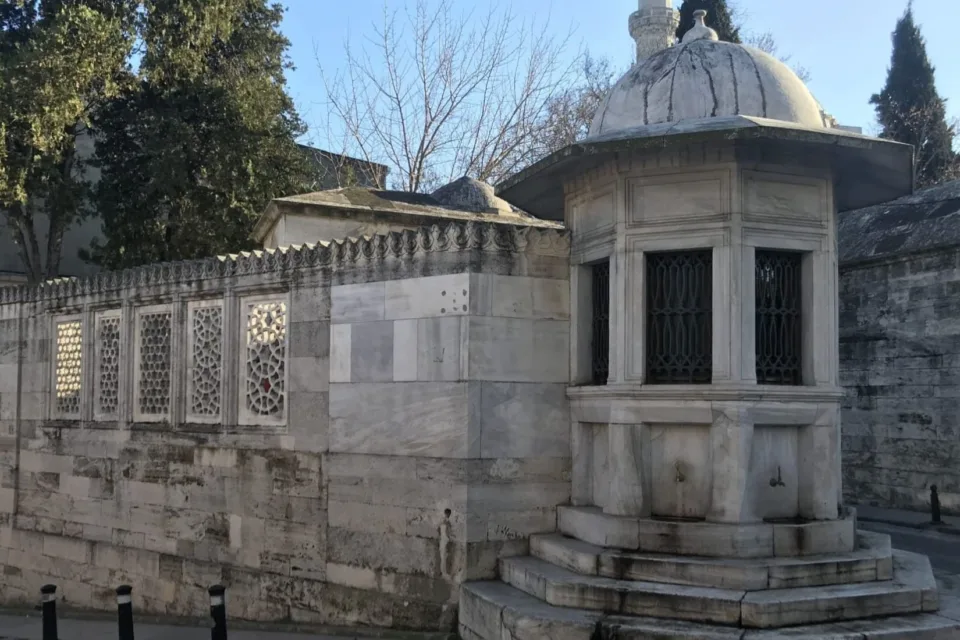
The great mosque of Bolu, founded by Yıldırım Bayezid and rebuilt after the fire of 1899.
In the center of Bolu, two minarets rise over a single dome. For the museum, the old town and lunch, join our Bolu city and food tour. This is the Büyük Cami, the Great Mosque, also called the Yıldırım Bayezid Mosque after its founder.
Yıldırım Bayezid built the mosque in the late 14th century; its date is given as 1382 or 1391. In 1899, a fire destroyed the building. However, the people of Bolu rebuilt it on the same site, with twin minarets and a single dome.

Our notes for the Büyük Cami
Our suggestion Combine the mosque with the Bolu Museum, then try local Bolu dishes in the streets around it.
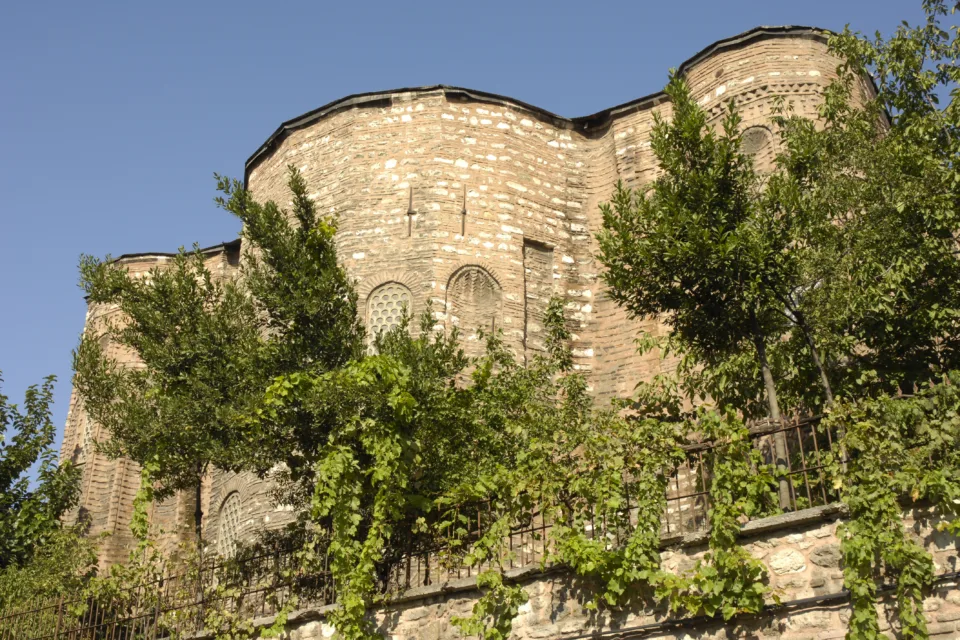
Bayezid left his mark on Bolu twice. First, as a prince, he built the Yıldırım Bayezid Mosque in Mudurnu, dated 1382, with one of the first large Ottoman domes. In Bolu itself, he built this mosque and a bath, so the town’s Great Mosque carries his name too. Its founding date is given as 1382 or 1391. However, the building you see today is the one the people of Bolu raised after the fire of 1899.
So a visit to both mosques shows two stages of the same story: the early dome in Mudurnu and the rebuilt city mosque with its twin minarets.
From the mosque, walk to the Bolu Museum, which opened in 1981 on the ground floor of the Culture Center. Then continue to the Tabaklar Hamamı, an old double bath of the tanners’ quarter. Also, Bolu is known for its cooks, above all those from Mengen, so stop for Bolu etli mantı or a bowl of Bolu potato soup. For souvenirs, look for Bolu keşi and Bolu kızılcık tarhanası, a soup mix with cornelian cherry, both registered local products.
So Bolu makes a good base for nature, too. About 65 percent of the province is forest, and it holds some 200 lakes and ponds. Then, from the center, drive up to Gölcük, or go farther to Lake Abant and Yedigöller. Also, travelers have come this way for a long time: Ibn Battuta passed through Bolu between 1330 and 1340. So start or end your walk here, because the museum, the bath and the mosque lie within a few minutes of each other.
The mosque stands in the Büyükcami neighbourhood of central Bolu. It is a working mosque, so visit outside prayer times. Nearby, see the Bolu Museum. A few minutes away stands the old Tabaklar Hamamı.
Would you like to see Bolu with a local guide? Our Bolu city tour walks from the Büyük Cami to the Tabaklar bath and a cooks’ lunch; the lakes and old towns are in our Bolu guide.
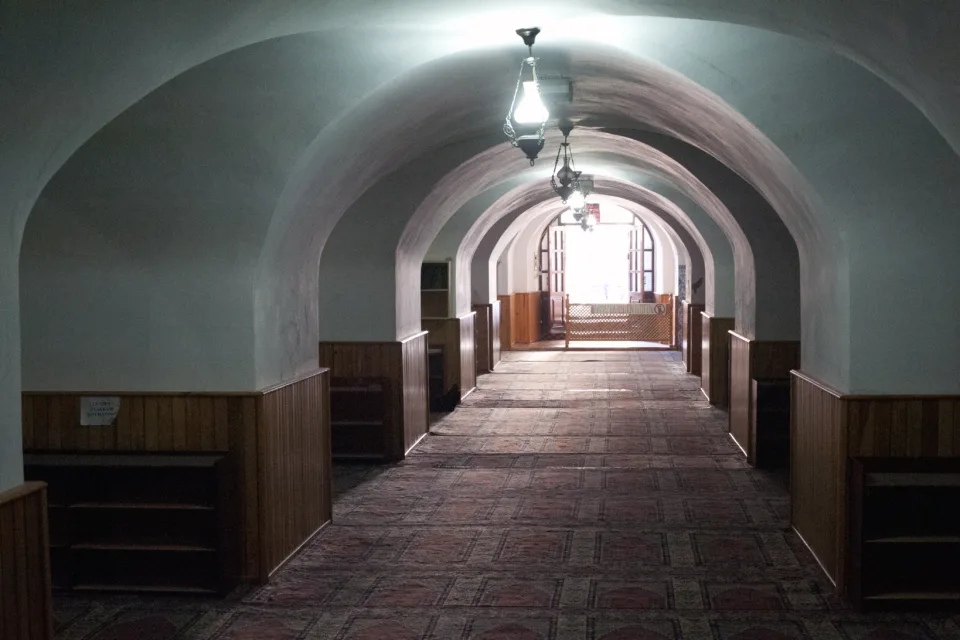
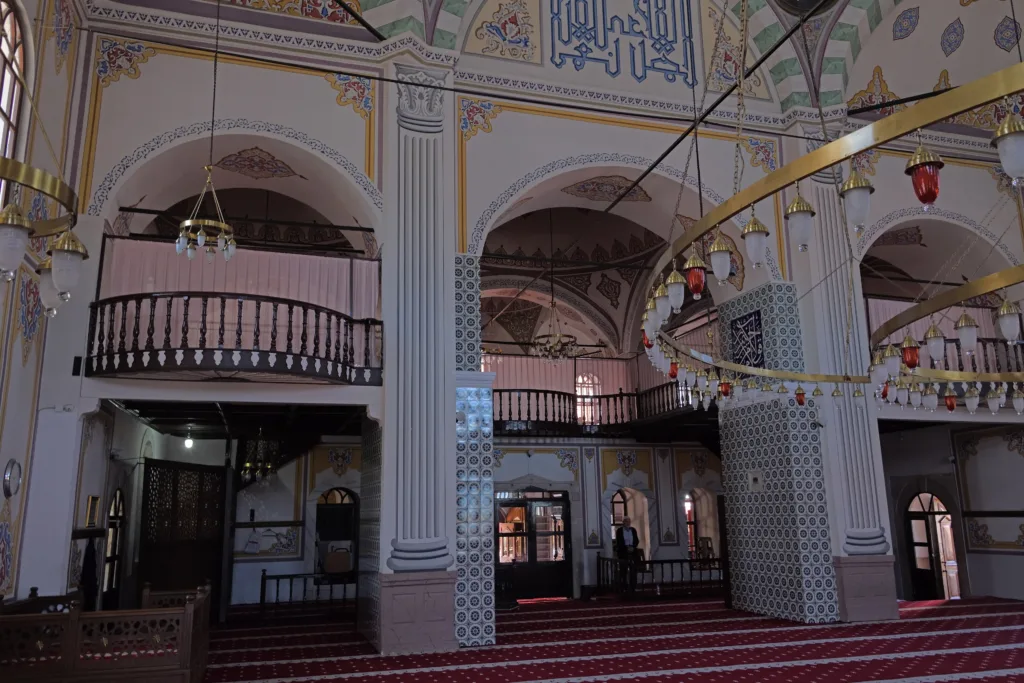
Because it is the heart of old Bolu. Look up at the dome and the wooden galleries, then step out into the streets around it.
Mudurnu in Bolu: an early Ottoman Ahi town of timber houses on the Silk Road, the…

Göynük in Bolu: a Cittaslow town of timber houses, the tomb of Akşemseddin built in 1464,…

Sünnet Lake Nature Park near Göynük in Bolu: a forest lake among the ten nature parks…

The Bolu Museum: archaeology from the Neolithic to Byzantium, Roman marble busts of Artemis and Hermes,…

The Tabaklar Hamamı in central Bolu: a double bathhouse of the tanners' quarter, dated to the…

The Yıldırım Bayezid Mosque in Mudurnu: built in 1382 by the future Sultan Bayezid I, with…

Lake Abant in Bolu: a clear mountain lake at 1,328 meters among pine and beech forests,…

Yedigöller north of Bolu: seven lakes dammed by landslides in a deep beech and fir forest,…
Open in Google Maps (opens in a new tab) Open in Apple Maps (opens in a new tab)
Bayezid I, known as Yıldırım, the Thunderbolt.
A fire destroyed it in 1899, and it was rebuilt on the same site.
A single dome with twin minarets.
In the late 14th century, under Yıldırım Bayezid; its date is given as 1382 or 1391. A fire in 1899 destroyed it, and it was rebuilt on the same site.